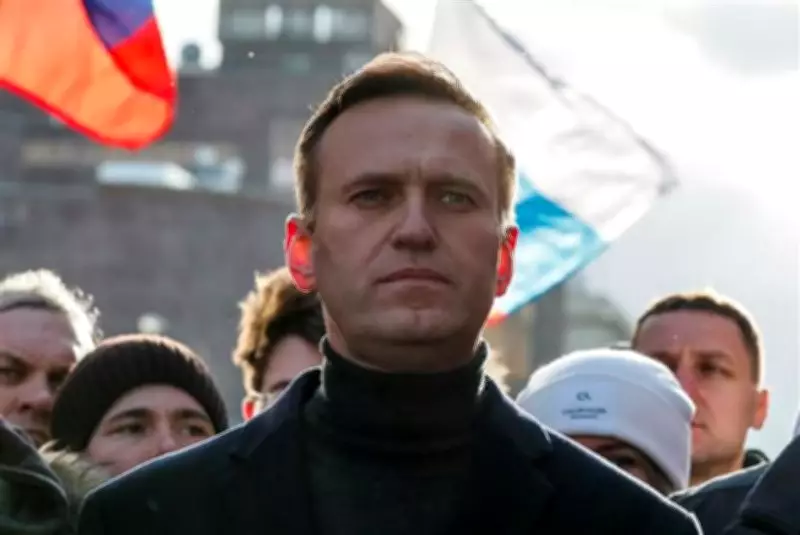
Five European Union Nations Jointly Accuse Russia of Navalny Poisoning
The diplomatic landscape in Europe has been significantly strained as five prominent European Union nations have formally pointed fingers at Russia for the poisoning of Russian opposition figure Alexei Navalny. In a coordinated statement, the United Kingdom, France, Germany, Italy, and Sweden have collectively asserted that Moscow bears responsibility for this grave incident, which has sparked widespread international condemnation and calls for accountability.
Details of the Allegations and International Response
The joint accusation comes after extensive investigations and intelligence assessments conducted by these nations, which have concluded that the poisoning was carried out using a Novichok nerve agent, a substance historically linked to Russian state actors. This conclusion aligns with findings from independent laboratories and medical experts who treated Navalny in Germany after he fell critically ill during a flight in Russia. The five EU countries have emphasized the need for a transparent and thorough international investigation to uncover the full truth behind the attack and hold those responsible to account.
This move marks a significant escalation in diplomatic tensions between Russia and Western nations, as it represents a unified stance from key European powers. The allegations have been met with strong denials from the Russian government, which has consistently rejected any involvement and instead suggested that the poisoning might have been staged or orchestrated by external forces to undermine Russia's international standing.

Broader Implications for EU-Russia Relations
The poisoning of Alexei Navalny, a vocal critic of President Vladimir Putin and a prominent anti-corruption activist, has not only raised serious human rights concerns but also highlighted the deepening rift in EU-Russia relations. The joint statement from the UK, France, Germany, Italy, and Sweden underscores a growing consensus among Western allies regarding Russia's alleged use of chemical weapons and its disregard for international norms. This incident is part of a broader pattern of alleged Russian aggression, including previous poisonings and cyber-attacks, which have led to sanctions and diplomatic expulsions in the past.
In response to the accusations, the European Union is considering further measures, such as targeted sanctions against Russian officials and entities believed to be involved. The situation has also prompted discussions within NATO and other international forums about how to address state-sponsored attacks and uphold global security standards. As the investigation progresses, the world watches closely to see how this diplomatic confrontation will unfold and what impact it will have on future interactions between Russia and the West.