Exiled Prince Reza Pahlavi Urges Trump to Aid Iranians in Toppling Regime
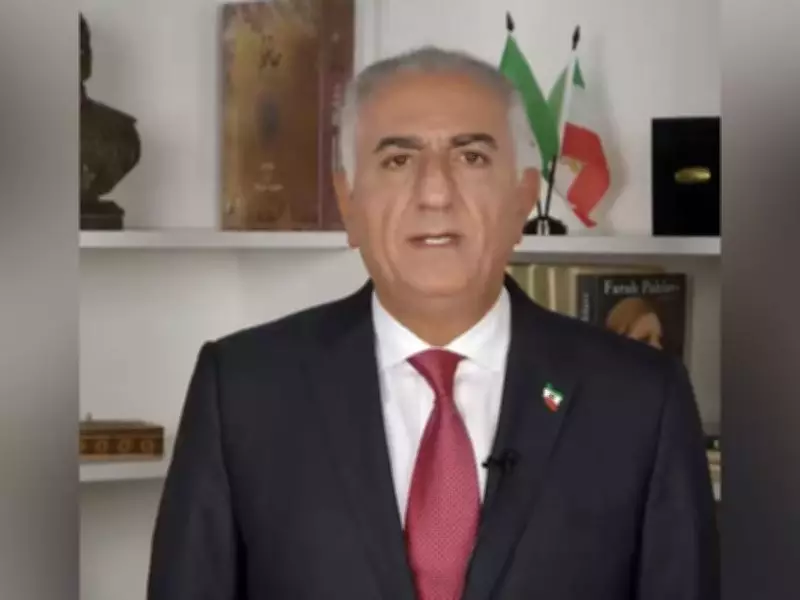
In a bold and impassioned appeal, exiled Iranian Crown Prince Reza Pahlavi has publicly called upon former United States President Donald Trump to lend his support to the people of Iran in their struggle to overthrow the current Islamic Republic regime. This plea comes at a time of heightened political tension and widespread civil unrest within Iran, where citizens have been increasingly vocal in their demands for systemic change and greater freedoms.
A Direct Appeal for International Support
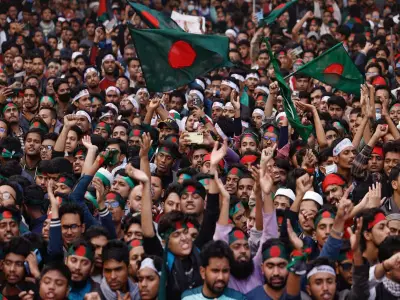
Reza Pahlavi, who has lived in exile since the 1979 Iranian Revolution that ousted his father, the late Shah Mohammad Reza Pahlavi, made this urgent request in a recent statement. He emphasized that the Iranian populace is actively seeking to "bury" the existing theocratic government, which they view as oppressive and unresponsive to their needs. The prince highlighted the numerous protests and demonstrations that have erupted across Iran in recent years, driven by economic hardships, political repression, and social injustices.
Pahlavi argued that the time is ripe for decisive action, pointing to what he describes as a growing consensus among Iranians that the Islamic Republic must be dismantled. He believes that international backing, particularly from influential figures like Trump, could significantly bolster the opposition movement and provide the momentum needed to achieve lasting change.

Context of Widespread Discontent in Iran
The call for assistance is set against a backdrop of persistent turmoil in Iran. The country has faced severe economic sanctions, high inflation, and unemployment, exacerbating public frustration. Additionally, there have been repeated waves of protests, often met with harsh crackdowns by authorities, further fueling anti-government sentiments. Pahlavi's appeal underscores the depth of this discontent and the desire for a new political order that prioritizes democracy and human rights.
He stressed that the goal is not merely regime change but the establishment of a secular, democratic system that respects the will of the Iranian people. This vision aligns with the aspirations of many activists and ordinary citizens who have risked their lives to voice their dissent on the streets.
Potential Implications and Reactions
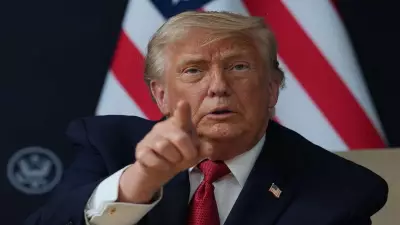
While Trump has not publicly responded to this specific appeal, his past policies toward Iran, such as withdrawing from the nuclear deal and imposing stringent sanctions, have been controversial and impactful. Pahlavi's request may reignite debates about U.S. foreign policy in the region and the role of external powers in supporting internal movements for change. Critics might argue that such interventions could complicate matters or lead to unintended consequences, whereas supporters may see it as a necessary step toward liberation.
In summary, Reza Pahlavi's plea to Donald Trump highlights the ongoing struggle within Iran and the search for international solidarity. As Iranians continue to push for an end to the Islamic Republic, this development adds a new dimension to the geopolitical landscape, emphasizing the interconnectedness of domestic unrest and global diplomacy.