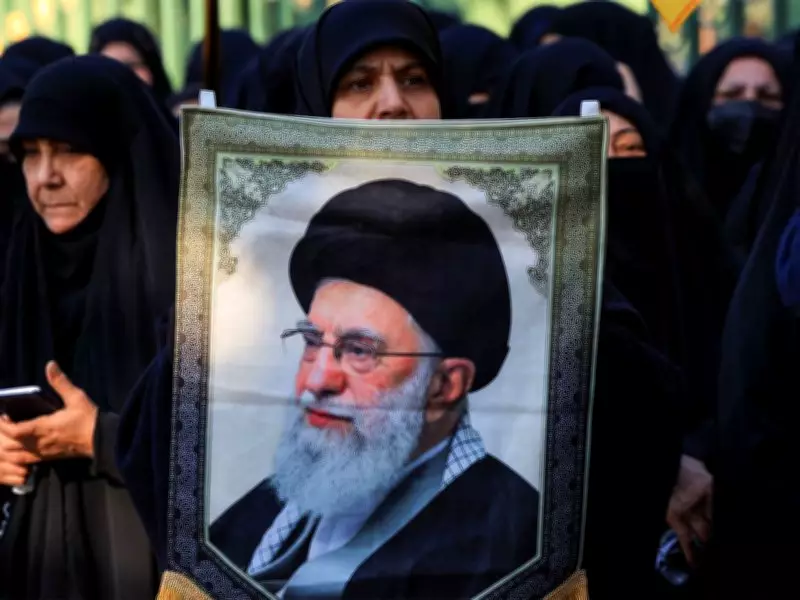
Majority Consensus Reached Over Khamenei's Successor, Iran's News Agency Reports
In a significant development that could shape the future of the Islamic Republic, Iran's official news agency has reported that a majority consensus has been reached regarding the successor to Supreme Leader Ayatollah Ali Khamenei. This announcement marks a pivotal moment in the nation's political landscape, as the selection of a new supreme leader is a critical process with far-reaching implications for Iran's domestic and foreign policies.
Details of the Consensus
According to the report, key political and religious figures within Iran have come to an agreement on a candidate to succeed Ayatollah Ali Khamenei, who has held the position since 1989. The consensus reflects extensive deliberations among Iran's elite, including members of the Assembly of Experts, a body responsible for appointing and overseeing the supreme leader. While the specific identity of the successor has not been publicly disclosed, the news agency emphasized that the agreement represents a broad-based alignment among influential stakeholders.
Implications for Iran's Political Future
The selection of a supreme leader successor is a monumental event in Iran, given the role's immense authority over the country's military, judiciary, and media. Ayatollah Ali Khamenei's tenure has been characterized by conservative policies and a strong stance on issues such as nuclear development and regional influence. The reported consensus suggests a potential continuity in Iran's strategic direction, but it also raises questions about how the transition might affect internal dynamics and international relations.

- The role of the Assembly of Experts in facilitating the consensus process.
- Potential impacts on Iran's domestic governance and economic policies.
- Reactions from global powers monitoring the political shift in Tehran.
Broader Context and Regional Significance
This news comes at a time of heightened geopolitical tensions in the Middle East, with Iran playing a central role in conflicts and diplomatic efforts across the region. The succession process is closely watched by neighboring countries and international observers, as it could influence Iran's approach to issues like the nuclear deal, relations with the United States, and support for proxy groups. The consensus reported by Iran's news agency may signal an attempt to present a unified front during a period of uncertainty.
Analysts note that while the consensus is a crucial step, the formal appointment and public announcement of the successor are still pending, leaving room for further developments.In summary, the report of a majority consensus on Ayatollah Ali Khamenei's successor underscores a critical juncture in Iran's political evolution. As details emerge, the world will be keenly observing how this transition unfolds and its ramifications for the region and beyond.