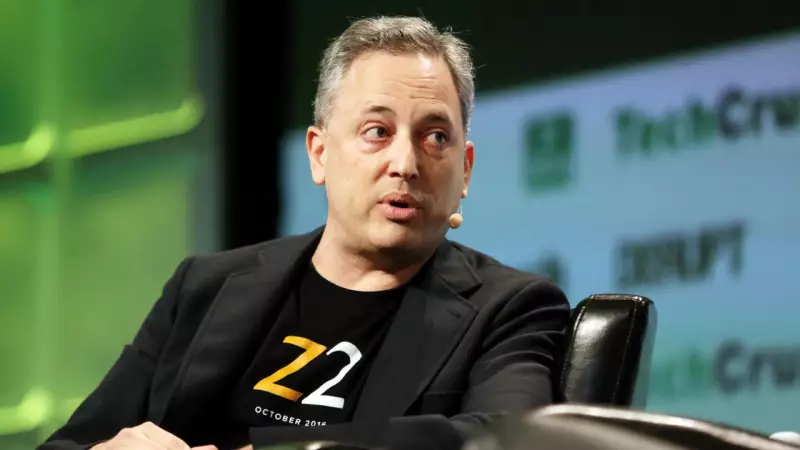
The proposed 'Billionaire Tax Act' in California, which seeks to impose a significant levy on the ultra-wealthy, is triggering a potential exodus of top entrepreneurs and investors from the state. The latest high-profile figure to hint at an exit is David Sacks, the White House's special adviser on artificial intelligence and cryptocurrency.
David Sacks Leads Criticism of "Confiscatory" Tax
David Sacks, who previously served as the chief operating officer of PayPal, took to the microblogging platform X to voice his strong opposition. He clarified that the proposed measure is not merely a tax on unrealized gains but a broader 5% across-the-board confiscation of net worth. He stressed that this tax would apply even if an individual has already realized their assets and paid taxes on the full amount.
When a user directly asked Sacks if he would consider leaving California, his reply was telling: "who said I haven't." This makes him the third prominent billionaire to publicly signal a departure from the state in response to the tax proposal. The ballot measure, if passed, would impose a 5% annual tax on residents with a net worth exceeding $1 billion.

A Growing Chorus of Billionaire Discontent
Sacks is not alone in his criticism. According to a report by The New York Times, venture capitalist Peter Thiel and Larry Page, the co-founder of Google, are also allegedly considering reducing their ties to California before the year ends. Other tech founders have joined the fray, expressing deep concerns about the economic impact of the tax.
Palmer Luckey, the founder of defense technology company Anduril, argued that the tax would force founders to sell large portions of their companies to generate cash. He described the need to pay for what he called "fraud, waste and political favors" promoted by the organisations backing the initiative. Luckey highlighted that after paying hundreds of millions in taxes on his first company, he used the remainder to start a second firm that employs thousands, and now faces a massive cash demand.
Billionaire investor Bill Ackman echoed these sentiments, warning that California is "on a path to self-destruction." He stated that the measure would drive away the state's most productive entrepreneurs, taking their tax revenues and job creation capabilities to other regions. Ackman pointed out that Hollywood's influence has already diminished, and this tax could be the final blow to California's innovation economy.
Political Opposition and the Road Ahead
Interestingly, even California Governor Gavin Newsom has expressed opposition to the wealth tax proposal. Speaking at The New York Times DealBook conference, Newsom urged calm but acknowledged the proposal feeds into a broader national narrative about wealth inequality. His stance indicates significant political hurdles for the ballot measure, even within the state's own Democratic leadership.
The unfolding situation presents a critical dilemma for California: the pursuit of greater tax revenue from the ultra-rich risks driving away the very individuals who have been central to the state's economic and technological dominance. The potential departure of figures like David Sacks, Peter Thiel, and Larry Page represents not just a loss of tax income, but a possible brain drain that could have long-term consequences for the state's status as a global innovation hub.