The Complex Politics of America's Tariff Battles
In a significant development, Democrats spent the weekend celebrating a recent US Supreme Court ruling that declared most of former President Donald Trump's tariffs on imported goods as illegal. This decision was seen as a major victory against Trump's trade policies, which had imposed taxes on a wide range of imported products. However, political analysts caution that these celebrations might be premature, as the underlying dynamics of tariff politics are far more intricate than they appear on the surface.
Immediate Aftermath and Political Maneuvering
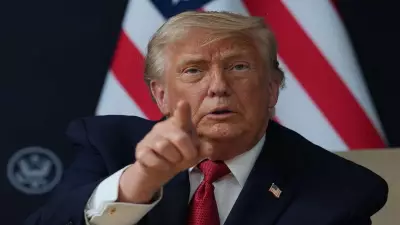
Following the Supreme Court's ruling, Trump did not waste any time. He immediately began exploring alternative means to reinstate similar tariffs, demonstrating his persistent commitment to protectionist trade measures. This swift response highlights the ongoing political struggle over trade policy in the United States, where executive actions and legal challenges often intersect in complex ways.
The politics of tariffs are not as straightforward as Democrats might want to portray. While the ruling was a setback for Trump's agenda, it does not necessarily translate into a clear win for everyday Americans or either major political party. Tariffs have multifaceted impacts on the economy, affecting consumers, businesses, and international relations in ways that are difficult to predict or control.

Who Really Benefits from This Ruling?
In this high-stakes political drama, the real winner might not be Republicans, Democrats, or the average American citizen. Instead, the Supreme Court itself emerges as a key beneficiary, reinforcing its role as a powerful arbiter in contentious policy disputes. By striking down these tariffs, the Court has asserted its authority over executive trade actions, setting a precedent that could influence future cases involving presidential powers and economic regulations.
This ruling underscores the broader implications for governance and the separation of powers in the US. It serves as a reminder that legal battles over tariffs are not just about economics but also about the balance of power between different branches of government. As such, the celebration by Democrats may overlook the deeper institutional shifts at play.
The Broader Context of Tariff Politics
To fully understand this situation, it's essential to consider the historical and political context of tariffs in America. Tariffs have long been a tool used by administrations to protect domestic industries, address trade imbalances, and exert political pressure on other countries. However, they often come with unintended consequences, such as higher prices for consumers and retaliatory measures from trading partners.
- Economic Impacts: Tariffs can lead to increased costs for imported goods, which may be passed on to consumers, affecting household budgets and inflation rates.
- Political Strategies: Both Republicans and Democrats use tariff policies to appeal to their bases, with Trump leveraging them as part of his "America First" agenda and Democrats opposing them to advocate for free trade and global cooperation.
- Legal Challenges: The Supreme Court's involvement highlights how trade policies are increasingly subject to judicial review, adding another layer of complexity to their implementation and enforcement.
In conclusion, while the Supreme Court ruling against Trump's tariffs is a notable event, it is just one chapter in the ongoing saga of American trade politics. The immediate celebrations by Democrats may be overshadowed by the rapid political maneuvering and the nuanced realities of tariff impacts. As Trump seeks new ways to impose similar measures, and the Supreme Court solidifies its role, the true winners and losers in this battle remain to be seen, with everyday Americans caught in the crossfire of these high-level political and legal disputes.