UN Security Council to Vote on Bahrain-Sponsored Resolution for Strait of Hormuz Transit Security
The United Nations Security Council (UNSC) is preparing for a pivotal vote on a resolution that seeks to secure transit through the strategically vital Strait of Hormuz. This initiative, strongly backed by Bahrain, emerges against the backdrop of intensifying conflicts in West Asia, underscoring urgent international concerns over maritime safety in one of the world's most crucial oil shipping corridors.
Background and Significance of the Resolution
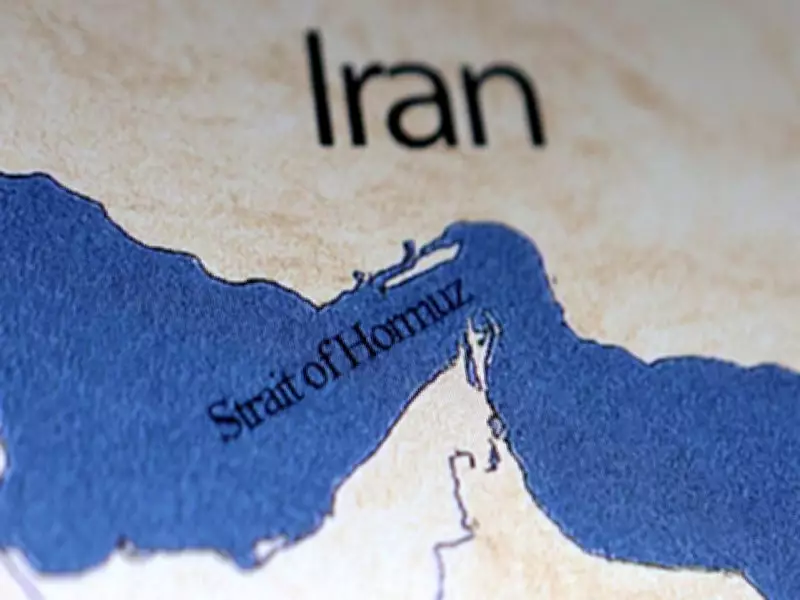
The proposed resolution, championed by Bahrain, aims to establish measures that guarantee the safe and unimpeded passage of vessels through the Strait of Hormuz. This narrow waterway, located between the Persian Gulf and the Gulf of Oman, serves as a critical chokepoint for global energy supplies, with approximately one-fifth of the world's oil passing through it daily. The timing of this vote is particularly significant, as it coincides with heightened tensions and military engagements across West Asia, which have raised fears of potential disruptions to maritime traffic and regional stability.
Key Provisions and International Response
The resolution is expected to include provisions for enhanced monitoring, coordination among nations, and mechanisms to address threats to shipping in the strait. It reflects broader diplomatic efforts to de-escalate conflicts and prevent spillover effects that could impact international trade and energy markets. Bahrain's leadership in this matter highlights its role as a key player in regional security initiatives, while other UNSC members are closely evaluating the proposal's implications for global peace and economic interests.

International reactions have been mixed, with some countries expressing support for the resolution as a necessary step to safeguard maritime routes, while others caution about potential geopolitical ramifications. The vote is anticipated to be a closely watched event, with outcomes that could influence future policies on maritime security and conflict resolution in West Asia.
Implications for Global Security and Economy
Securing the Strait of Hormuz is not only vital for regional stability but also for the global economy, given its role in oil transportation. Any disruption could lead to significant price volatility and supply chain issues, affecting industries worldwide. This resolution, if passed, could set a precedent for international cooperation in protecting key maritime passages during times of conflict, reinforcing the UN's role in maintaining global security frameworks.
As the UNSC deliberates, stakeholders from various sectors are monitoring developments, emphasizing the need for collaborative strategies to address the complex challenges posed by the West Asia conflict. The vote represents a critical juncture in efforts to balance security concerns with the imperative of ensuring free and open seas for international commerce.