UN Security Council Convenes Emergency Session Amid Military Escalation
The United Nations Security Council, the powerful 15-nation body responsible for international peace and security, held an urgent emergency meeting just hours after a series of military strikes and retaliatory attacks between the United States, Israel, and Iran. The session was convened to address the rapidly deteriorating situation in the Middle East, which has raised global concerns about a potential wider conflict.
Immediate Aftermath of Military Strikes
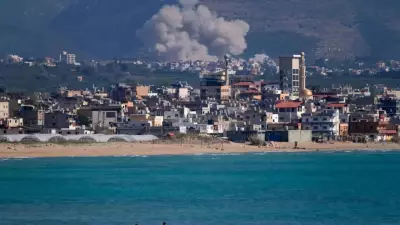
The emergency meeting followed closely on the heels of coordinated military strikes launched by the United States and Israel against targets in Iran. In response, Tehran executed retaliatory attacks, marking a significant escalation in hostilities. The timing of the UNSC session underscores the gravity of the situation, as world leaders scrambled to prevent further violence.
UN Secretary-General António Guterres issued a stark warning during the proceedings, cautioning that the current trajectory could lead to an uncontrollable 'chain of events.' He emphasized the urgent need for de-escalation and diplomatic dialogue to avert a full-scale regional war. Guterres highlighted the risks of miscalculation and the potential for the conflict to spiral beyond control, affecting global stability.

Clashes in the Council Chamber
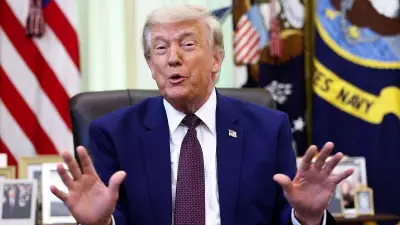
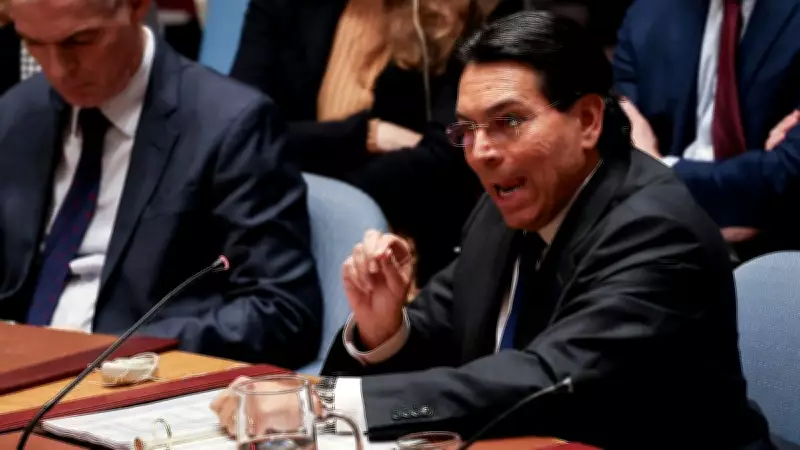
During the UNSC meeting, representatives from the United States and Israel clashed diplomatically with Iran over the recent military actions. The US and Israeli delegations defended their strikes as necessary measures in response to perceived threats, while Iran condemned the attacks as acts of aggression and violations of international law.
The debate was heated, with accusations and counter-accusations flying across the chamber. Other member states expressed deep concern, calling for restraint and a return to peaceful negotiations. The session highlighted the deep divisions within the international community regarding the appropriate response to the crisis.
Global Implications and Calls for Restraint
The unfolding events have significant implications for global security and diplomacy. The UNSC emergency meeting serves as a critical platform for international discourse, but the lack of consensus among permanent members poses challenges to effective resolution. Many nations urged all parties to exercise maximum restraint and to engage in dialogue to de-escalate tensions.
The situation remains fluid, with ongoing military posturing and diplomatic maneuvers. Observers note that the risk of further escalation is high, given the complex geopolitical dynamics at play. The international community is closely monitoring developments, hoping to prevent a broader conflict that could have devastating humanitarian and economic consequences.
As the UNSC continues its deliberations, the world watches anxiously, aware that the decisions made in New York could shape the future of Middle Eastern stability and global peace. The call for urgent diplomatic efforts has never been more critical, with the specter of war looming large over the region.