UN Secretary-General Calls for Persistence in West Asia Peace Efforts
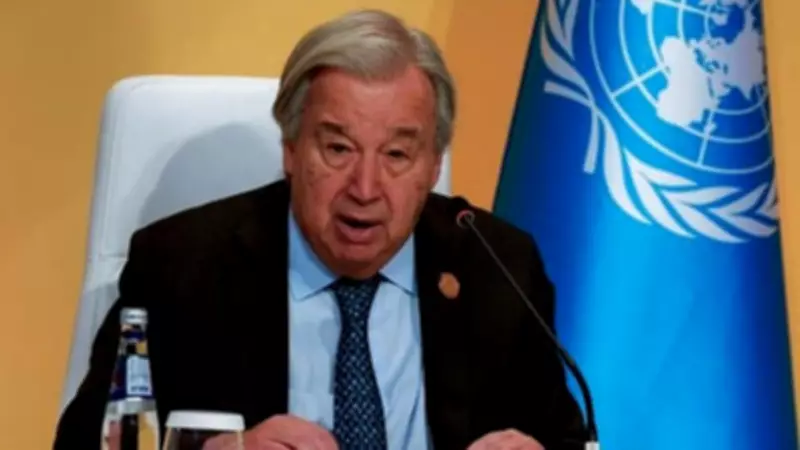
United Nations Secretary-General Antonio Guterres has issued a clear statement emphasizing that reaching a comprehensive agreement to end the ongoing conflict in West Asia cannot be achieved overnight. This declaration comes in the wake of a marathon 21-hour negotiation session between the United States, led by Vice President JD Vance, and Iranian representatives, which concluded without a breakthrough on Saturday.
High-Stakes Diplomacy in Pakistan Yields No Immediate Resolution
The intensive talks, held in Pakistan, were a significant diplomatic effort aimed at brokering an end to the devastating war in West Asia. Despite the lengthy duration and high-level participation, including Vice President Vance, the discussions failed to produce a concrete agreement to halt hostilities. The outcome underscores the complex and deeply entrenched nature of the conflict, which involves multiple regional and international stakeholders.
Antonio Guterres stressed the importance of maintaining dialogue, stating that such processes require patience and sustained engagement. He highlighted that historical conflicts often involve numerous rounds of negotiations before tangible progress is made. The UN chief's comments serve as a reminder that diplomatic solutions, while challenging, remain the preferred path to achieving lasting peace and stability in the region.

Analysis of the Negotiation Dynamics and Future Prospects
Experts note that the involvement of the United States, under the leadership of Vice President JD Vance, indicates a serious commitment to resolving the crisis. However, the lack of an immediate agreement points to significant disagreements on key issues, such as ceasefire terms, humanitarian access, and long-term security arrangements. The choice of Pakistan as the venue suggests a neutral ground attempt, but it was insufficient to bridge the gaps between the parties.
The failure to secure a deal does not necessarily signal a collapse of peace efforts. Instead, it may pave the way for further discussions, with both sides potentially reassessing their positions. The United Nations is expected to play a crucial role in facilitating future talks, leveraging its diplomatic channels to encourage compromise and confidence-building measures.
As the situation in West Asia continues to evolve, the international community watches closely, hoping that continued dialogue will eventually lead to a cessation of violence and a sustainable political solution. The UN's call for perseverance highlights the global imperative to avoid further escalation and humanitarian suffering in the region.