UN Chief Issues Stern Rebuke Over Trump's Threat to Civilian Population
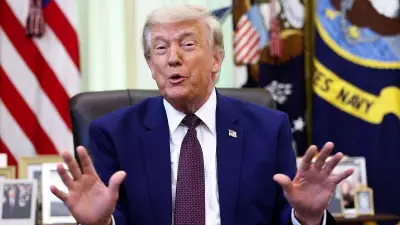
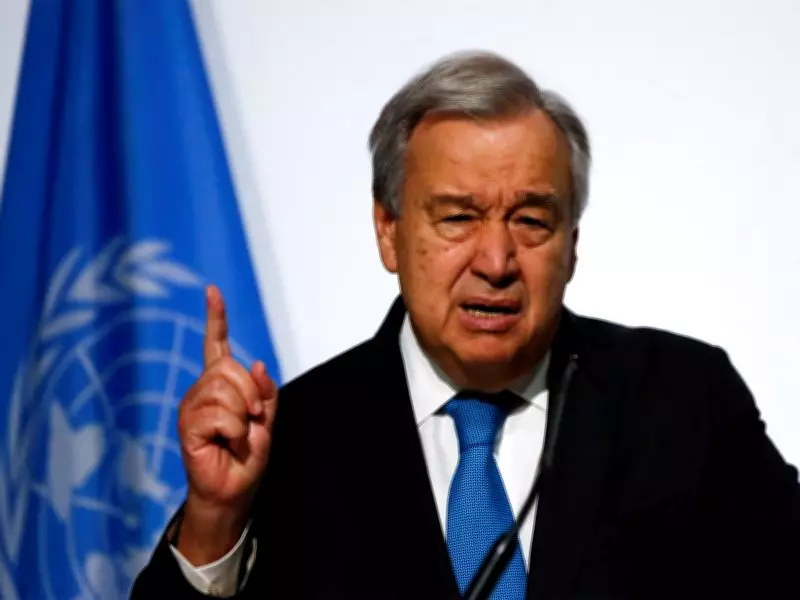
In a powerful statement that has reverberated across international diplomatic circles, United Nations Secretary-General Antonio Guterres has delivered a sharp condemnation of former U.S. President Donald Trump's recent threat, asserting unequivocally that no military objective can ever justify the deliberate infliction of suffering on a civilian population. This forceful declaration comes amid escalating global tensions and underscores the UN's unwavering commitment to protecting human rights and upholding international humanitarian law.
Guterres Emphasizes Core Principles of International Law
The UN chief's remarks were made in response to Trump's controversial statements, which reportedly involved threats against civilian populations. Guterres articulated a fundamental principle of modern warfare, stressing that the protection of non-combatants must remain paramount in all military engagements. He highlighted that international law, including the Geneva Conventions, explicitly prohibits actions aimed at causing harm to civilians, regardless of strategic goals.
"The deliberate targeting or infliction of suffering on civilians is a grave violation of our shared humanity and legal frameworks," Guterres stated, adding that such actions erode the very foundations of peace and security. His comments reflect a broader concern within the UN about the normalization of rhetoric that endangers civilian lives, potentially setting dangerous precedents for future conflicts.

Context and Implications of Trump's Threat
While the specific details of Trump's threat were not elaborated upon in Guterres's statement, it is understood to relate to recent geopolitical developments where the former president made inflammatory remarks about military strategies. This incident has sparked widespread alarm among human rights organizations and global leaders, who fear a regression in adherence to humanitarian norms.
The UN Secretary-General's intervention serves as a critical reminder of the international community's responsibility to safeguard civilians in conflict zones. "In an era where conflicts are increasingly complex, our moral and legal obligations to protect the innocent must not be compromised," Guterres emphasized, calling for renewed efforts to promote dialogue and peaceful resolutions.
Global Reactions and Diplomatic Fallout
The UN chief's condemnation has elicited mixed reactions worldwide. Supporters applaud his firm stance as a necessary defense of humanitarian values, while critics argue it may politicize the UN's role. Nonetheless, the statement has intensified discussions on the ethical boundaries of military conduct and the need for accountability in leadership.
Key points from Guterres's address include:
- Reaffirmation that civilian protection is non-negotiable under international law.
- A call for all nations to reject rhetoric that endangers civilian populations.
- Emphasis on the UN's role in mediating conflicts and preventing atrocities.
This development underscores ongoing challenges in global governance, particularly as geopolitical rivalries test the limits of diplomatic norms. As tensions persist, the UN's voice remains crucial in advocating for a world where civilian lives are shielded from the horrors of war.