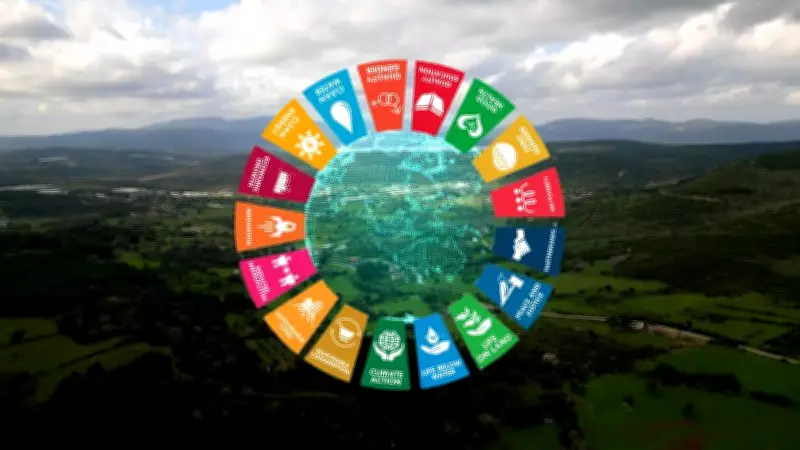
Sustainable Development Goals: A New Era of Global Cooperation
The Sustainable Development Goals (SDGs), adopted by the United Nations in 2015, represent a transformative framework aimed at addressing the world's most pressing challenges. This initiative marks a significant shift towards a new era of global cooperation, where nations collaborate to achieve common objectives for a better future.
Understanding the SDGs
The SDGs consist of 17 interconnected goals designed to tackle issues such as poverty, inequality, climate change, environmental degradation, peace, and justice. Unlike their predecessors, the Millennium Development Goals, the SDGs emphasize a holistic approach that integrates economic, social, and environmental dimensions. This comprehensive strategy requires unprecedented levels of international partnership and resource mobilization.
Key Areas of Focus
Poverty Eradication: Goal 1 aims to end poverty in all its forms everywhere, targeting the most vulnerable populations through sustainable economic growth and social protection systems.

Climate Action: Goal 13 calls for urgent measures to combat climate change and its impacts, promoting renewable energy and resilience-building in communities worldwide.
Inclusive Growth: Goals 8 and 10 focus on promoting sustained, inclusive, and sustainable economic growth, full and productive employment, and reduced inequalities within and among countries.
Challenges and Opportunities
Despite progress, the SDGs face significant hurdles, including funding gaps, political instability, and the COVID-19 pandemic's lingering effects. However, these challenges also present opportunities for innovation and strengthened global alliances. Enhanced data collection and monitoring are crucial for tracking progress and ensuring accountability.
The Role of Global Cooperation
Success in achieving the SDGs hinges on robust global cooperation. This involves:
- Multilateral agreements and partnerships between governments, NGOs, and the private sector.
- Knowledge sharing and technology transfer to support developing nations.
- Public awareness campaigns to mobilize grassroots support and drive behavioral change.
As we move forward, the SDGs offer a blueprint for a more equitable and sustainable world, underscoring the importance of collective action in overcoming global adversities.