Sambhali Trust Advocates for Minority Women's Rights at UN Human Rights Council
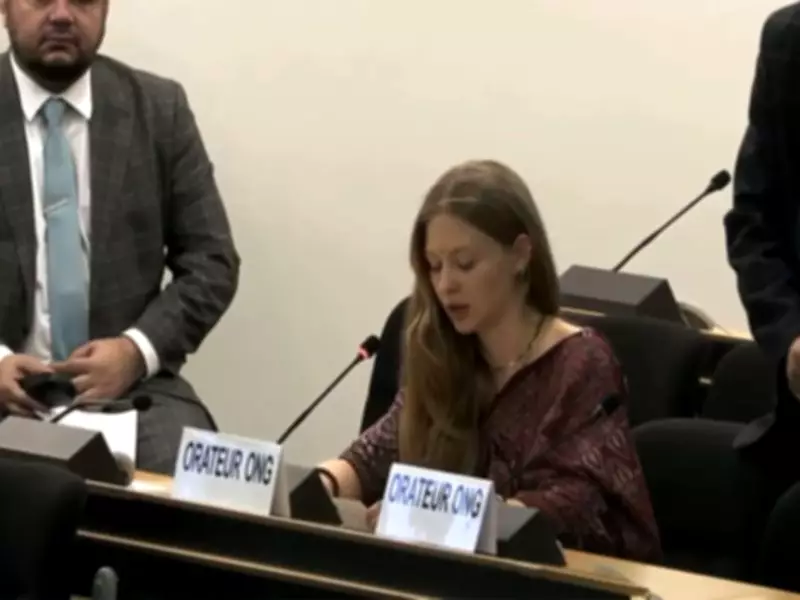
In a powerful address at the 61st session of the United Nations Human Rights Council (UNHRC) in Geneva, Switzerland, Tasha Mauricette Stoppler from the Sambhali Trust delivered an oral statement that underscored the critical importance of safeguarding minority rights. She asserted that without inclusive protections for vulnerable communities, achieving equality, social cohesion, and sustainable peace remains an unattainable goal.
Systemic Discrimination and Marginalization
Stoppler highlighted that minorities worldwide continue to face pervasive systemic discrimination, which severely limits their access to essential resources such as education, livelihoods, housing, and justice. These persistent inequalities, she noted, leave these communities disproportionately vulnerable to marginalization, exclusion, and violence, perpetuating cycles of disadvantage.
Grassroots Insights from Rajasthan
Drawing from the Sambhali Trust's extensive grassroots experience in Rajasthan, Stoppler shared poignant insights into the organization's work with women and girls from marginalized and minority backgrounds. She emphasized that the trust witnesses daily how structural barriers shape lives and restrict opportunities, underscoring the need for targeted interventions.

Through comprehensive programs including education initiatives, psychosocial support, safe shelters, and livelihood centers, Sambhali Trust actively works to rebuild confidence and restore dignity among these women. Stoppler firmly stated, "Minority women are not passive recipients of welfare." She added that when provided with equitable opportunities and supportive environments, they emerge as powerful agents of resilience, cultural strength, and profound social transformation.
India's Diverse Social Fabric and Policy Frameworks
Stoppler also acknowledged India's rich and diverse social fabric, noting that the country officially recognizes six minority communities. Constitutional safeguards guarantee equality and protection against discrimination, while targeted initiatives like the Pradhan Mantri Jan Vikas Karyakram have facilitated development in over 1,300 minority-concentrated areas, particularly in sectors such as education, healthcare, and skill development.
Call for Meaningful Participation and Inclusive Approaches
However, Stoppler cautioned that policy frameworks alone are insufficient. She called on governments, especially at the state level, to ensure the meaningful participation of minority communities in decision-making processes that directly impact their lives. Urging the international community to prioritize inclusive approaches, she argued that empowering minority women is central to building equitable societies and achieving long-term peace and development.
This statement at the UNHRC session serves as a vital reminder of the ongoing struggles faced by minority communities and the essential role of grassroots organizations like Sambhali Trust in driving positive change.