Russia Stuns Arab World with UN Defense of Iran's Gulf Strikes
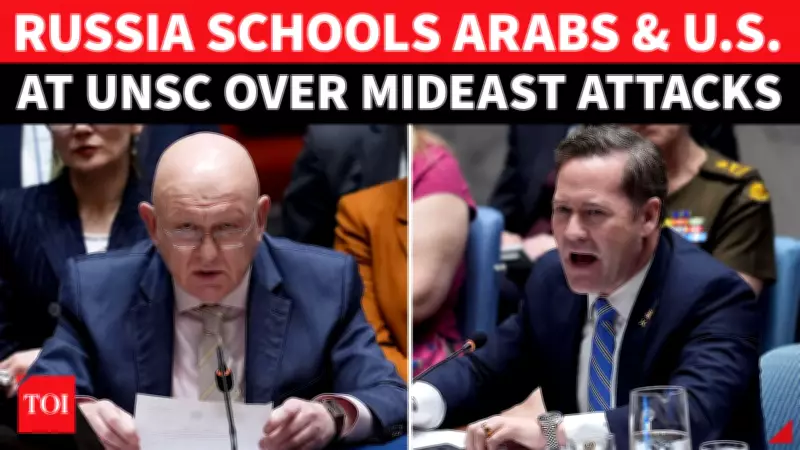
In a move that sent shockwaves through diplomatic circles, Russia has openly defended Iran's recent military actions against Gulf countries, refusing to support a United Nations Security Council resolution demanding Tehran halt its attacks. The Russian delegation, in a heated session, labeled the proposed measure as "extremely unbalanced," arguing it deliberately ignored earlier strikes on Iranian territory that Moscow claims triggered the current escalation.
Moscow's Controversial Stance and Failed Ceasefire Proposal
Amid growing tensions, Russia introduced its own resolution calling for an immediate ceasefire in the region. However, this proposal failed to secure the necessary votes, garnering support only from China, Pakistan, and Somalia. The lack of broader backing highlights the deep divisions within the international community regarding the Middle East conflict.
Several nations sharply criticized Russia's position, accusing it of blatant hypocrisy. Critics pointed to Moscow's ongoing military campaign in Ukraine, questioning its moral authority to advocate for peace elsewhere. This backlash underscores the complex geopolitical dynamics at play, as global powers navigate conflicting interests and alliances.

Escalating Tensions and UN's Struggles
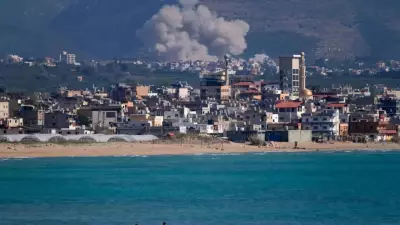
The debate at the UN Security Council reflects the widening scope of the Middle East conflict, which now threatens to draw in additional actors and destabilize the Gulf region further. The UN's inability to deliver a unified response exacerbates concerns about international security and diplomatic efficacy.
Russia's justification of Iran's actions as not "unprovoked" signals a potential shift in alliances and strategic posturing. This development complicates efforts to de-escalate hostilities, as key players like the United States face renewed scrutiny over their policies in the region.
- Russia, China, Pakistan, and Somalia were the sole supporters of the Russian-backed ceasefire resolution.
- The Arab world expressed dismay at Moscow's defense of Iran's Gulf strikes.
- Geopolitical tensions are rising as the conflict expands beyond its initial borders.
- The UN Security Council remains deadlocked, struggling to formulate a coherent strategy.
As the situation evolves, the international community watches closely, aware that the stakes involve not only regional stability but also the broader framework of global governance and conflict resolution.