Russia's Fiery UN Address Condemns Ukraine and Western Backers
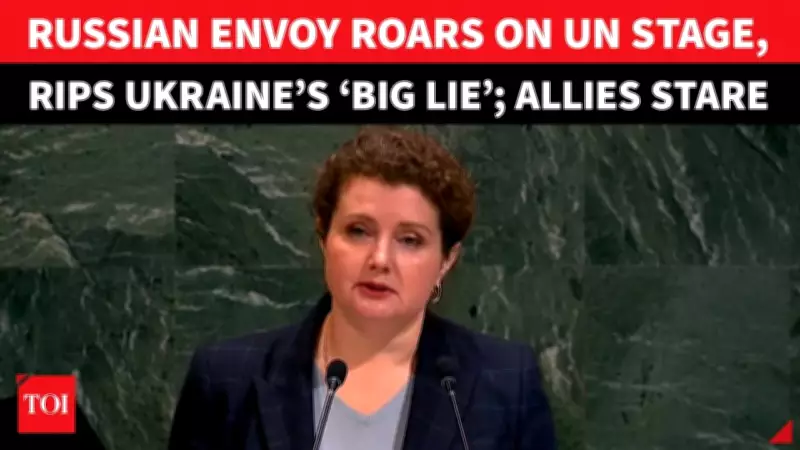
In a dramatic and forceful address at the United Nations General Assembly, Russia launched a blistering critique of Ukraine and its international supporters. The Russian delegation vehemently rejected a proposed draft resolution aimed at establishing lasting peace in Ukraine, dismissing it as a "fake" and politically motivated document.
Moscow Accuses Kyiv of Escalation and Warns Against Undermining Talks
During the speech, Russian officials accused Ukraine of intensifying military attacks, alleging that Kyiv's actions were destabilizing the region further. Moscow emphasized that ongoing trilateral negotiations involving the United States should not be compromised or undermined by external diplomatic pressures or resolutions perceived as one-sided.
The Russian representative stated that the resolution failed to address what they described as the root causes of the conflict and instead served to politicize the situation at the international forum.

UN Vote Reveals Deep Global Divisions Over Ukraine Ceasefire Call
The United Nations proceeded with a vote on the contentious resolution, resulting in a clear display of global fragmentation. The final tally showed:
- 107 member states voted in favor of the resolution.
- 12 nations, including Russia, voted against it.
- 51 countries chose to abstain from the vote.
Notably, India was among the nations that abstained, reflecting its cautious diplomatic stance on the issue. The vote underscored the profound international divisions regarding the call for an immediate ceasefire in Ukraine, with many countries opting for neutrality amid the polarized debate.
Broader Implications for International Diplomacy and Conflict Resolution
This episode at the UN highlights the ongoing challenges in achieving consensus on the Ukraine conflict within multilateral institutions. Russia's aggressive rhetoric and the divided vote signal persistent obstacles to diplomatic resolutions, as geopolitical alliances and national interests continue to shape global responses to the war.
The assembly's proceedings have drawn significant attention, with analysts noting that such confrontations may influence future negotiations and the broader trajectory of international efforts to address the crisis. The abstentions, particularly from key players like India, suggest a complex landscape where many nations are navigating delicate balances between principle and pragmatism.