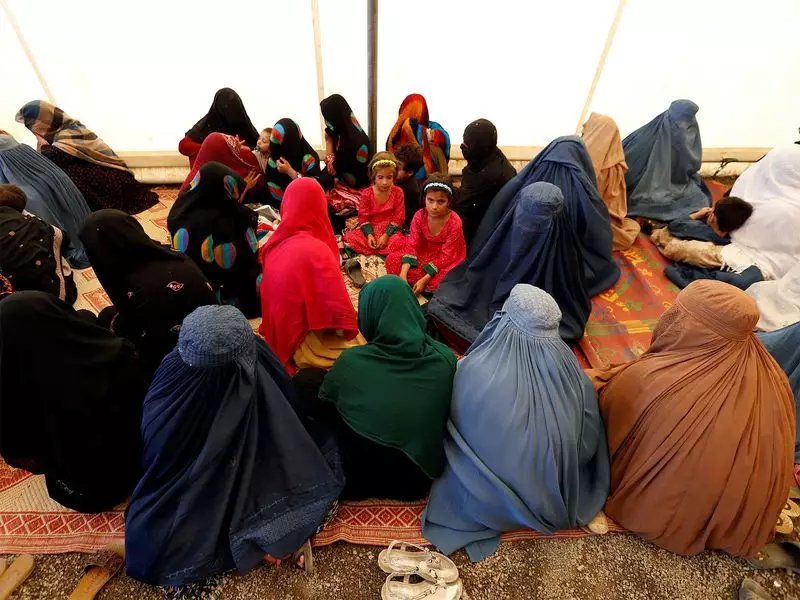
In a significant move to address a growing humanitarian crisis, the Government of Japan has announced a substantial financial commitment to support Afghan nationals returning to their homeland from Pakistan. The pledge, amounting to USD 2 million, is directed towards the International Organization for Migration (IOM) to fund urgent relief efforts.
A Lifeline for Returning Afghans
The funding was officially confirmed on Saturday, May 11, 2024. It comes as a direct response to the escalating situation where hundreds of thousands of Afghans have been compelled to leave Pakistan and cross back into Afghanistan. This mass movement has created immense strain on already limited resources within Afghanistan, a country grappling with severe economic hardship and a fragile infrastructure following decades of conflict.
The Japanese contribution will be channeled through the IOM, a key United Nations agency specializing in migration. The funds are earmarked to provide immediate and life-saving assistance to the returnees and the communities receiving them. This support is critical to prevent a further deterioration of living conditions for a vulnerable population.

Addressing Critical Needs on the Ground
The USD 2 million aid package is designed to tackle the most pressing challenges faced by Afghan returnees. The IOM will utilize the funds to deliver a comprehensive package of humanitarian services. The primary focus areas include:
- Emergency Shelter: Providing temporary housing solutions for families who often arrive with nothing.
- Food and Non-Food Items: Distributing essential supplies such as food parcels, clean water, blankets, and hygiene kits.
- Healthcare Services: Facilitating access to basic medical care and psychological support for those who have endured traumatic journeys.
- Transportation Assistance: Helping returnees reach their final destinations within Afghanistan safely.
This targeted approach ensures that the aid reaches those in dire need, offering a semblance of stability during a period of immense upheaval. The Japanese embassy in Kabul emphasized that this assistance underscores Japan's ongoing commitment to supporting the people of Afghanistan during these trying times.
Broader Context and International Response
The return of Afghans from Pakistan is not a voluntary migration but a forced displacement driven by complex political and policy changes. Pakistan's directive for undocumented foreigners to leave has led to one of the largest and fastest refugee returns in recent history. The sudden influx has overwhelmed border areas and urban centers in Afghanistan, where services are scarce.
Japan's pledge adds to a limited pool of international aid for Afghanistan, where the humanitarian situation has been described by the UN as one of the world's worst. The country faces a crippling economic crisis, widespread food insecurity, and a healthcare system on the brink of collapse. While several nations and organizations have provided support, the scale of need far exceeds the current response.
The role of the IOM is pivotal in coordinating this relief effort on the ground. With decades of experience operating in Afghanistan, the organization is positioned to deliver aid effectively, though it consistently highlights the need for more sustainable funding and long-term solutions beyond immediate humanitarian relief.
This act of solidarity from Japan highlights the importance of continued global attention on Afghanistan. It serves as a reminder that the stability and well-being of the Afghan people remain a shared international concern, with humanitarian needs that require urgent and consistent addressing to prevent further catastrophe.