India Votes Against UN Human Rights Council Resolution on Iran
In a significant diplomatic move, India has cast a vote against a resolution concerning human rights in Iran at the United Nations Human Rights Council. This decision underscores India's nuanced approach to international human rights issues and its strategic foreign policy considerations.
Details of the UN Resolution and India's Vote
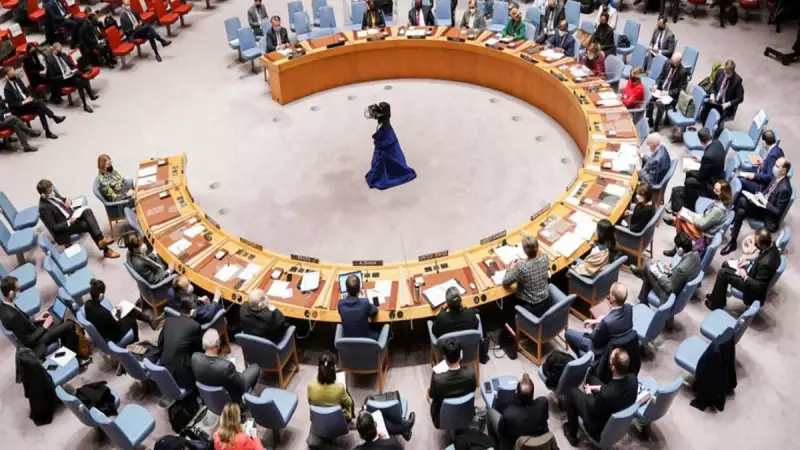
The resolution, which was presented at the UN Human Rights Council, aimed to address various human rights concerns in Iran. India, along with several other nations, voted against the adoption of this resolution. The vote took place in Geneva, where the council is based, and reflects a broader pattern of India's voting behavior on such matters at international forums.
India's decision to vote against the resolution is based on its longstanding principle of non-interference in the internal affairs of other countries. New Delhi has consistently emphasized the importance of dialogue and cooperation over punitive measures when it comes to human rights issues.

Iran's Response and Gratitude Towards India
Following the vote, Iran has publicly thanked India for its support. Tehran expressed appreciation for New Delhi's stance, viewing it as a gesture of solidarity and understanding. This acknowledgment highlights the strengthening bilateral ties between the two nations, which share historical and cultural connections.
Iran's foreign ministry issued a statement commending India's position, stating that it values the support from friendly countries like India in international arenas. This gratitude is seen as a positive step in fostering closer diplomatic and economic relations between India and Iran.
Implications for India-Iran Relations
India's vote against the UN resolution is likely to have several implications for its relationship with Iran:
- Enhanced Diplomatic Ties: The vote is expected to bolster diplomatic relations, with both countries potentially engaging in more collaborative efforts on regional and global issues.
- Economic Cooperation: This move could pave the way for increased economic partnerships, particularly in areas such as energy trade, given Iran's significant oil reserves.
- Strategic Alignment: India's stance aligns with its broader strategic interests in the Middle East, where maintaining balanced relations with key players like Iran is crucial.
Broader Context of India's UN Voting Pattern
India's vote against the resolution on Iran is not an isolated incident. Over the years, India has often taken positions at the UN that reflect its commitment to sovereignty and non-intervention. This approach is part of India's larger foreign policy framework, which prioritizes national interests and regional stability.
Experts note that India's voting decisions at the UN are carefully calibrated to balance its relationships with various global powers while upholding its principles. In this case, the vote demonstrates India's willingness to support Iran despite potential pressures from other international actors.
As India continues to play a more prominent role on the world stage, its votes at the UN will be closely watched by observers and policymakers alike. The decision regarding Iran is a clear example of how New Delhi navigates complex international dynamics to advance its diplomatic objectives.