India Joins 50 Nations in Abstaining on UN Ceasefire Resolution for Ukraine
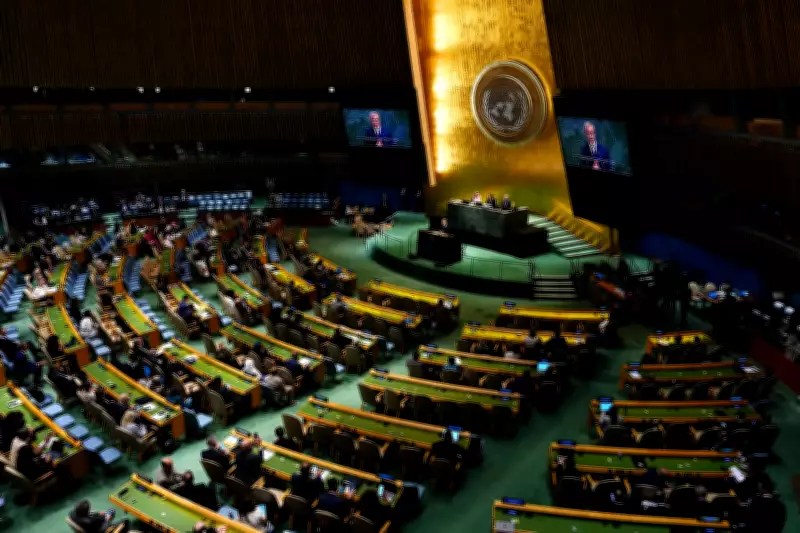
In a significant diplomatic move, India and fifty other countries chose to abstain during a crucial United Nations General Assembly vote on Tuesday. The draft resolution, which called for an immediate, full, and unconditional ceasefire between Russia and Ukraine, was nonetheless adopted by the Assembly's 193 member states. This vote coincided with the somber four-year anniversary of the ongoing conflict, highlighting the prolonged nature of the hostilities.
Vote Breakdown and Resolution Details
The resolution, titled "Support for Lasting Peace in Ukraine," garnered 107 votes in favor, demonstrating substantial international backing. However, 12 nations voted against it, while 51 countries, including India, opted to abstain. This abstention reflects a complex geopolitical stance, as many nations navigate delicate diplomatic relationships and strategic interests in the region.
The resolution was jointly introduced by Ukraine alongside a diverse coalition of nations, including Bahrain, Bangladesh, Brazil, China, South Africa, Sri Lanka, the United Arab Emirates, and the United States. This broad sponsorship underscores the global concern over the conflict and the collective desire for a peaceful resolution.

Key Provisions and Humanitarian Focus
The adopted text reiterates a strong call for a comprehensive and lasting peace, firmly grounded in international law and the principles enshrined in the UN Charter. It emphasizes several critical measures aimed at de-escalating tensions and addressing humanitarian crises:
- Prisoner Exchanges and Releases: The resolution urges the full exchange of prisoners of war and the release of all individuals unlawfully detained. This includes a specific focus on the return of internees and civilians who have been forcibly transferred or deported, with particular attention to children, as a vital confidence-building step.
- Sovereignty and Territorial Integrity: It reaffirms unwavering support for Ukraine's sovereignty, independence, unity, and territorial integrity within its internationally recognized borders, which encompass its territorial waters. This clause directly challenges any actions perceived as undermining Ukraine's statehood.
- Concern Over Civilian Attacks: The resolution expresses deep alarm over the continued and intensified attacks by Russia on civilian populations, civilian infrastructure, and critical energy facilities. It highlights the severe deterioration of the humanitarian situation in Ukraine, pointing to widespread suffering and displacement.
The abstention by India and other nations, while not opposing the resolution, signals a cautious approach, possibly reflecting concerns over the resolution's language, the broader geopolitical implications, or a preference for dialogue over punitive measures. This vote underscores the intricate balance in international diplomacy, where nations must weigh moral imperatives against strategic realities.
As the conflict enters its fifth year, this UN action serves as a reminder of the persistent international efforts to broker peace, even as divisions remain evident. The humanitarian provisions, especially regarding prisoners and civilians, aim to alleviate immediate suffering while laying groundwork for future negotiations.