Gulf Nations Unite with US to Condemn Iran's Regional Missile Strikes
In a significant diplomatic move, seven countries from the Gulf and West Asia have joined the United States in issuing a strong condemnation of Iran's recent wave of missile and drone attacks across the region. The joint statement comes as military confrontations between Washington, Israel, and Tehran continue to escalate dramatically.
Joint Statement Denounces Iran's "Reckless" Actions
The United States State Department released a powerful joint declaration on Monday, signed by the United States, Bahrain, Jordan, Kuwait, Qatar, Saudi Arabia, and the United Arab Emirates. The statement specifically denounced what these nations described as Iran's "indiscriminate and reckless missile and drone attacks against sovereign territories across the region."
The comprehensive condemnation explicitly mentioned attacks targeting Bahrain, Iraq (including the Iraqi Kurdistan Region), Jordan, Kuwait, Oman, Qatar, Saudi Arabia, and the United Arab Emirates. According to the joint declaration, these strikes represented unjustified aggression that endangered civilian populations and damaged critical civilian infrastructure throughout multiple nations.

Escalating Military Campaign Across the Region
This diplomatic condemnation arrives amid an intensifying military campaign where both the United States and Israel have continued striking targets across Iran. The coordinated offensive has specifically focused on ballistic missile infrastructure and naval assets, following the recent death of Iran's Supreme Leader Ayatollah Ali Khamenei along with several senior officials.
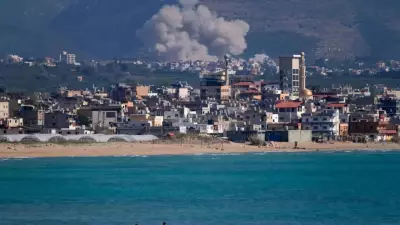
Airstrikes have triggered powerful explosions across various parts of Iran, with blasts shaking buildings and creating thick plumes of smoke that have risen over Tehran. Iranian authorities report that more than 200 people have been killed since this military campaign began, highlighting the severe human cost of the escalating conflict.
Iran's Retaliatory Strikes and Regional Impact
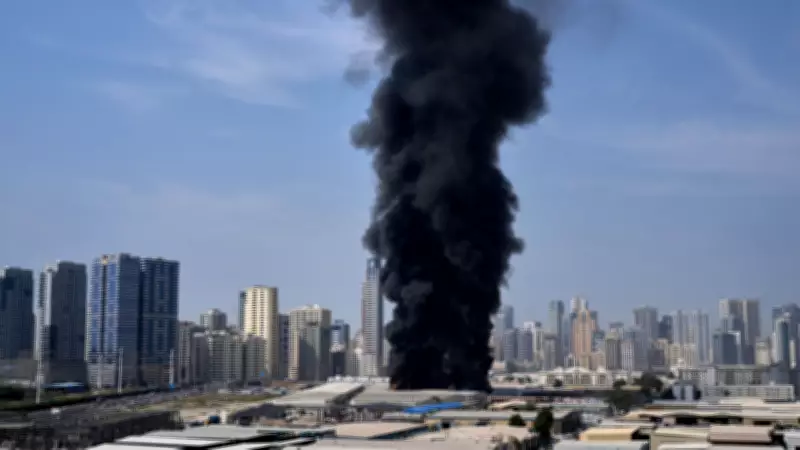
Tehran has responded to these attacks with retaliatory missile and drone strikes targeting both Israel and US military facilities throughout the Gulf region. Iranian attacks have reached major regional cities, including the Saudi capital Riyadh and Dubai, one of the world's leading international business hubs.
US President Donald Trump has signaled that military operations will continue unabated. In a video message posted on Sunday, he described the campaign in Iran as "one of the most complex, most overwhelming military offensives the world has ever seen" and emphasized that strikes would persist until "all of our objectives" were fully achieved.
Disruption to Regional Air Travel and Infrastructure
The escalating conflict has severely disrupted air travel across the Gulf region, with major airlines extending flight suspensions as the exchange of strikes entered a second consecutive day. Emirates has suspended all flight movements indefinitely, while Etihad Airways extended cancellations until early Monday morning. Qatar Airways confirmed that its operations remained completely halted, promising further updates later in the day.
Several airports throughout the region have been caught in the crossfire of these military exchanges. Abu Dhabi Airport reported one fatality and multiple injuries after an Iranian drone was intercepted over the emirate overnight. Airports in Dubai, Bahrain, and Kuwait have also reported strikes or related disruptions as regional tensions continue to rise dangerously.
The situation represents one of the most significant escalations in Middle Eastern conflicts in recent years, with diplomatic condemnations occurring alongside intense military operations that show no immediate signs of de-escalation.