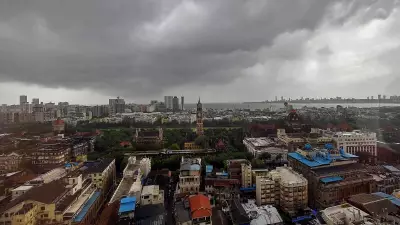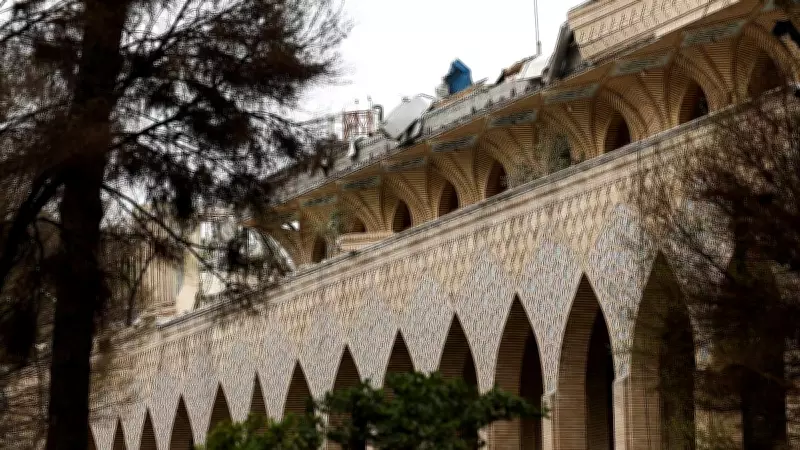
Multiple UNESCO World Heritage sites in Iran have sustained damage as a result of the ongoing US-Israeli conflict with Iran, according to Reuters photographs from March 2026. The affected sites include Golestan Palace, Naqsh-e Jahan Square, and the Sa'dabad Cultural and Historical Complex, among others.
Damage to Golestan Palace in Tehran
On March 21, 2026, debris covered the floor around the Takht-e Marmar (Marble Throne) inside the Hall of Mirrors (Talar-e Ayne) at Golestan Palace, a UNESCO World Heritage site in Tehran. The palace, a masterpiece of Qajar-era architecture, suffered from the air campaign.
Isfahan's Heritage Sites Hit
In Isfahan, damage was reported at several historic locations. A damaged building next to Isfahan’s Provincial Governor’s office near Chehel Sotoun Palace, a UNESCO site, was observed on March 23. The Ali Qapu Palace near Naqsh-e Jahan Square also showed signs of damage on the same day. Additionally, the Museum of Decorative Arts near Naqsh-e Jahan Square sustained interior damage.

Sa'dabad Complex Affected
On March 22, debris was scattered across a staircase inside a building at the Sa'dabad Cultural and Historical Complex in Tehran. This complex, once a royal summer residence, is part of Iran's rich cultural heritage.
Historical Governor's Office Damaged
The historical provincial governor’s office building, located near Naqsh-e Jahan Square, was also damaged during the US-Israeli air campaign, as seen on March 23.
The extent of the damage and the full impact on these UNESCO sites remain under assessment. The conflict has raised international concern over the preservation of Iran's cultural heritage.