Trump Issues Ultimatum Over Hormuz Passage
President Donald Trump has stated that Iran has given assurances guaranteeing toll-free passage for ships through the Strait of Hormuz, warning that if this commitment is not upheld, negotiations between the two countries would immediately cease. The statement comes after the first round of talks concluded in Switzerland on Monday, with both sides offering conflicting accounts of key elements of a framework agreement signed last week.
Differing Versions of Agreement
According to Trump, the Iranian delegation provided a clear pledge that commercial vessels would not face restrictions or tolls while transiting the strategically vital waterway. However, Iranian officials have not publicly confirmed this specific assurance, instead emphasizing broader principles of maritime rights. The Strait of Hormuz is a critical chokepoint for global oil shipments, with about 20% of the world's petroleum passing through it daily.
Consequences of Broken Promise
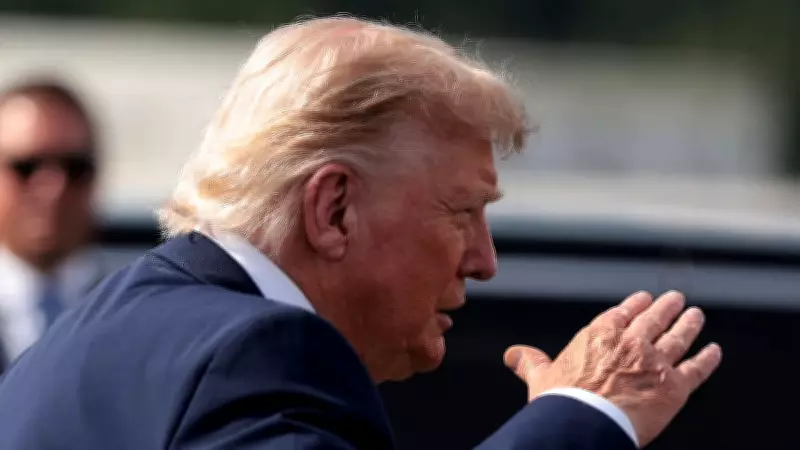
In a press conference, Trump declared, "If this is false, negotiations would end!" He stressed that the United States would not tolerate any disruption to free navigation. The president’s remarks underscore the high stakes of the ongoing diplomatic process, which aims to address long-standing tensions over Iran's nuclear program and regional activities.

Framework Agreement Under Scrutiny
The framework agreement signed last week was intended to lay the groundwork for a comprehensive deal. However, the divergent narratives from Washington and Tehran have raised doubts about the prospects for a lasting resolution. Analysts suggest that the Hormuz passage issue could become a litmus test for Iran's willingness to cooperate.
Impact on Global Markets
Any threat to shipping in the Strait of Hormuz has immediate repercussions for global energy markets. Oil prices have already fluctuated in response to the conflicting statements. Traders are closely monitoring developments, as a breakdown in talks could lead to heightened tensions and potential supply disruptions.