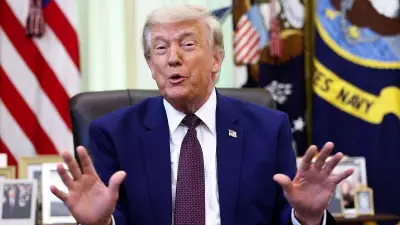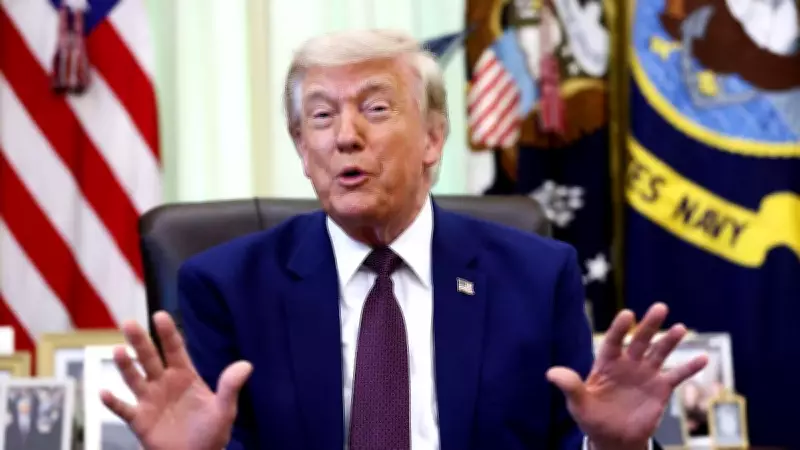
As tensions continue to rise in West Asia, US President Donald Trump has expressed optimism that ongoing dialogue with Iran could pave the way for an agreement to extend the ceasefire and reopen the strategic Strait of Hormuz. The strait is a critical waterway for global oil shipments, and its closure has raised concerns about energy security and regional stability.
US Military Reports on Iranian Missile Attacks
On Wednesday, the US military disclosed that Iranian missiles fired towards Kuwait and Bahrain either failed to reach their targets or were successfully intercepted by defense systems. The attacks, which occurred amid heightened hostilities, did not result in any casualties or significant damage. In response, US forces carried out retaliatory strikes on an Iranian military facility located on Qeshm Island, a key strategic location in the Persian Gulf.
Israel-Hezbollah Ceasefire Agreement
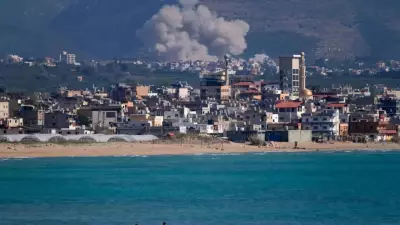
In a related development, President Trump announced on Tuesday that Israel and the militant group Hezbollah have agreed to cease hostilities. The agreement marks a significant step towards de-escalation in the region, which has witnessed frequent clashes and cross-border attacks. Details of the ceasefire terms remain under wraps, but both parties have reportedly committed to halting military operations.

These events unfold against a backdrop of heightened US-Iran tensions, with the Trump administration pursuing a dual strategy of diplomatic engagement and military deterrence. The reopening of the Strait of Hormuz is seen as a crucial economic priority, as disruptions have already impacted global oil markets. Analysts caution that while dialogue offers a path to resolution, deep-seated mistrust and conflicting interests could hinder progress.
Stay tuned for further updates on this developing story.