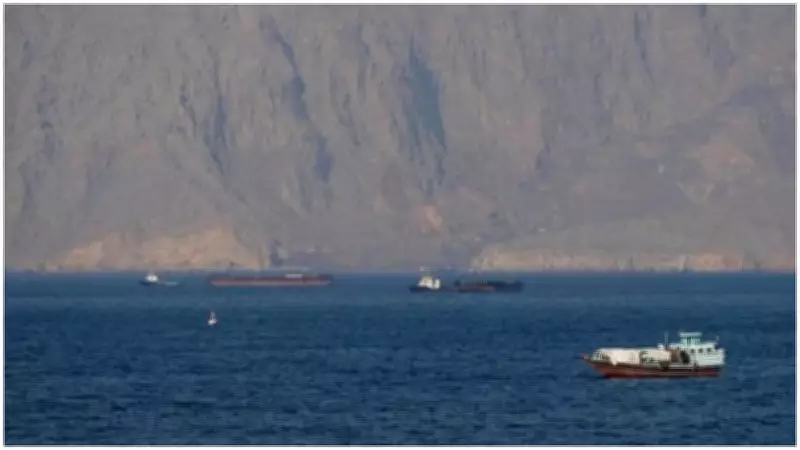
Three oil and liquefied natural gas (LNG) tankers have been observed exiting the strategically vital Strait of Hormuz with their automatic identification systems (AIS) switched off, according to maritime tracking data. This development has raised significant concerns among global security analysts and market observers regarding potential illicit activities or efforts to conceal vessel movements.
Details of the Incident
The tankers, identified as carrying crude oil and LNG, were tracked by satellite and other monitoring systems as they navigated through the narrow waterway, which is a crucial chokepoint for global energy supplies. The vessels deliberately disabled their transponders, a practice often associated with attempts to avoid detection, evade sanctions, or engage in smuggling operations. The Strait of Hormuz, located between Iran and Oman, sees the transit of about one-fifth of the world's oil supply, making any disruption or security threat a matter of international concern.
Implications for Global Energy Markets
This incident comes at a time of heightened geopolitical tensions in the region, with ongoing disputes over nuclear programs, maritime rights, and regional influence. The deliberate deactivation of transponders can complicate efforts to monitor and regulate shipping, potentially leading to violations of international sanctions, particularly those related to Iranian oil exports. Market analysts are closely watching the situation, as any instability in the Strait of Hormuz could lead to fluctuations in global oil and gas prices.

Maritime Security Concerns
Security experts highlight that such actions undermine the transparency and safety of maritime navigation. The automatic identification system is a key tool for collision avoidance and vessel tracking, and its intentional shutdown raises red flags. Authorities in the region, including the United States Navy's Fifth Fleet and the International Maritime Organization, have been alerted. Investigations are likely to focus on the origins, destinations, and cargo of these vessels, as well as any potential links to sanctioned entities.
The Strait of Hormuz has been a flashpoint in recent years, with incidents involving tanker seizures, drone attacks, and mine explosions. The latest development adds to the complex security landscape, prompting calls for enhanced surveillance and international cooperation to ensure the free flow of energy resources. As the situation evolves, stakeholders are urged to remain vigilant and prepared for any further escalations that could impact global supply chains.