Oil Tankers Depart Strait of Hormuz Amid Renewed Iran Deal Hopes
In a significant development, oil tankers have started exiting the Strait of Hormuz following signals from former President Donald Trump and Vice President JD Vance that a new agreement with Iran is on the horizon. The strategic waterway, through which about 20% of the world's oil passes, has been a focal point of geopolitical tensions in recent months.
Trump and Vance Signal Progress
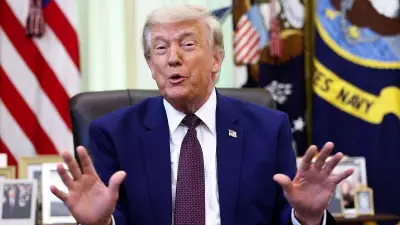
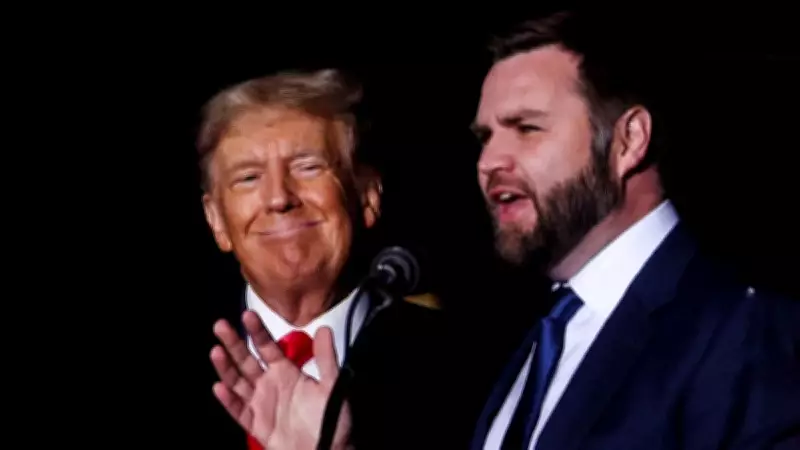
Speaking at a joint press conference, Trump and Vance emphasized their commitment to diplomatic engagement with Tehran. "We are making great progress on a deal that will ensure peace and stability in the region," Trump stated. Vance added that the administration is "cautiously optimistic" about reaching a comprehensive agreement that addresses nuclear concerns and economic sanctions.
The comments have sparked a flurry of activity in the energy sector, with several tanker operators reporting that they are resuming normal transit through the Strait. Analysts suggest that a potential deal could lead to increased Iranian oil exports, which might lower global crude prices.

Impact on Global Oil Markets
The news has already influenced oil markets, with Brent crude futures dipping by nearly 2% in early trading. Energy experts believe that a successful negotiation could add up to 1 million barrels per day to the global supply, easing supply constraints that have kept prices elevated.
However, some remain cautious. "We have seen false starts before," noted an oil market analyst. "The devil is in the details, and it remains to be seen whether both sides can bridge their differences on key issues like uranium enrichment and sanctions relief."
Regional Reactions
Iranian officials have welcomed the overtures but stress that any deal must respect their sovereign rights. "We are prepared to negotiate in good faith, but we will not accept any agreement that undermines our national interests," a senior Iranian diplomat said.
Meanwhile, Gulf states, including Saudi Arabia and the UAE, have expressed cautious support, urging a transparent process that ensures long-term security. Israel, however, has voiced strong opposition, warning that a weak deal could embolden Iran's regional ambitions.
Strategic Implications
The Strait of Hormuz is a critical chokepoint for global energy supplies. Any disruption there can have immediate economic repercussions worldwide. The current easing of tensions is a welcome relief for shipping companies and insurance markets, which had seen premiums spike in recent weeks.
Military analysts note that the U.S. Navy has reduced its presence in the region, a move interpreted as a gesture of goodwill. However, the U.S. Fifth Fleet remains on standby to ensure freedom of navigation.
As negotiations continue, all eyes are on Vienna, where indirect talks between U.S. and Iranian representatives are expected to resume next week. The outcome could reshape energy markets and geopolitical alliances across the Middle East.