

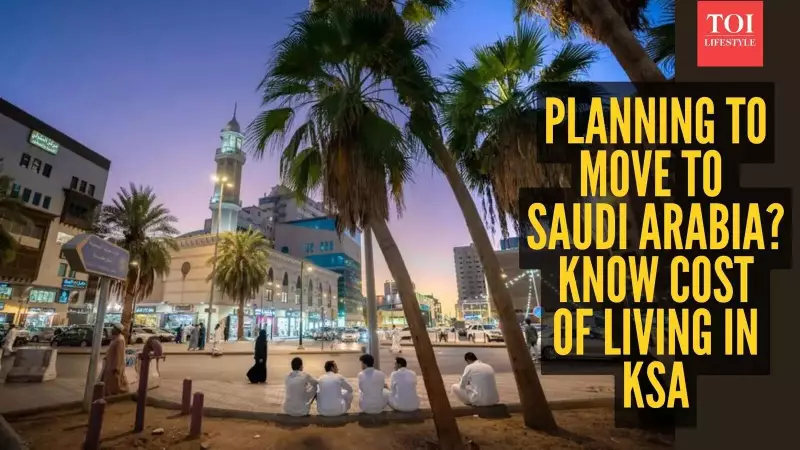
As Saudi Arabia forges ahead with its ambitious Vision 2030 economic transformation, the financial reality for its residents is undergoing a significant shift. For both citizens and the large expatriate community, daily life is being reshaped by evolving consumer prices, a tight housing market, and changing wage dynamics, painting a picture of both opportunity and strain in this fast-growing Gulf economy.
Inflation Holds Steady, But Housing Costs Skyrocket
Official data from the General Authority for Statistics (GASTAT) reveals that Saudi Arabia's annual inflation rate was approximately 2.3% in mid-2025. This figure marks a slight increase from earlier in the year. The primary force behind this inflation is not groceries or transport, but the cost of putting a roof over one's head.
A major segment of the Consumer Price Index covering housing, water, electricity, gas, and fuel saw a substantial year-on-year jump. Within this, rents surged by about 7%, with villa rentals climbing even higher. Given that housing consumes a large portion of household budgets, these increases have a disproportionate impact on monthly expenses.

In a direct response to cool down this rapid market escalation, Saudi authorities announced a significant intervention in late 2025: a five-year freeze on rent increases in the capital city of Riyadh.
The Expatriate Pinch: Stagnant Wages vs. Rising Rents
For expatriate workers, who typically pay rent directly, housing represents the single largest monthly financial burden. The cost varies dramatically by location and accommodation type. Renting a one-bedroom apartment can range from SAR 2,000 to SAR 8,000 per month (approximately $540 to $2,160). Larger units or housing in expat compounds command even higher prices.
While headline inflation remains modest, the disparity between cost increases and income growth is becoming a critical issue. Reports indicate that salary growth for expats has stagnated, with typical annual raises falling short of the spikes seen in previous years and often failing to keep pace with climbing housing costs, particularly in Riyadh's competitive market. This trend is causing foreign professionals to critically reevaluate relocation packages and salary expectations.
A Detailed Look at Monthly Expenses in the Kingdom
Overall, the cost of living in Saudi Arabia remains relatively affordable compared to its Gulf neighbours, especially for single expatriates. Monthly expenses for one person typically fall between SAR 1,900 and SAR 5,600 (about $500 to $1,500), excluding rent. A significant advantage for all residents is the absence of income tax, which boosts purchasing power.
However, costs differ sharply between cities. Riyadh, with its high expatriate demand, is the most expensive. Jeddah, in contrast, is notably more affordable, with total living costs roughly 20–30% lower than in the capital.
Key Monthly Expense Averages (in SAR, 1 SAR = $0.27 USD):
- Rent (1-bedroom, city center): SAR 2,500–4,000 for a single person; SAR 4,000–7,000 for a family of four.
- Groceries: SAR 800–1,500 for an individual; SAR 2,500–4,000 for a family.
- Utilities (85m² apartment): SAR 400–600 for a single person; SAR 500–800 for a family.
- Total (excluding rent): SAR 2,000–3,000 for one person; SAR 5,000–7,000 for a family of four.
While basics like local food brands and public transport are inexpensive, Western imports, international school fees (averaging around SAR 50,000 per year per child), and luxury lifestyles can quickly inflate monthly bills.
Consumer Behaviour Shifts Amid Economic Transformation
The rising cost of living is actively changing how residents shop and spend. A 2025 PwC Middle East Voice of the Consumer survey found that nearly 47% of Saudi consumers ranked living costs among the top three risks to their life in the coming year, placing it ahead of personal health or climate concerns.

This concern is translating into action, with many consumers adapting their habits. There is a marked shift towards value-based purchases, hunting for promotions, and shopping at multiple stores to better manage household budgets. This growing price sensitivity exists even as the kingdom's broader economic opportunities expand under Vision 2030.
Saudi Arabia's leadership faces a complex balancing act: driving economic diversification, attracting global talent, and improving living standards, all while managing the real-world cost pressures felt by residents. Policies like the Riyadh rent freeze demonstrate active efforts to manage this balance. Yet, the ongoing challenge is evident in the high demand for housing and the careful financial choices individuals and families are making every day.





