

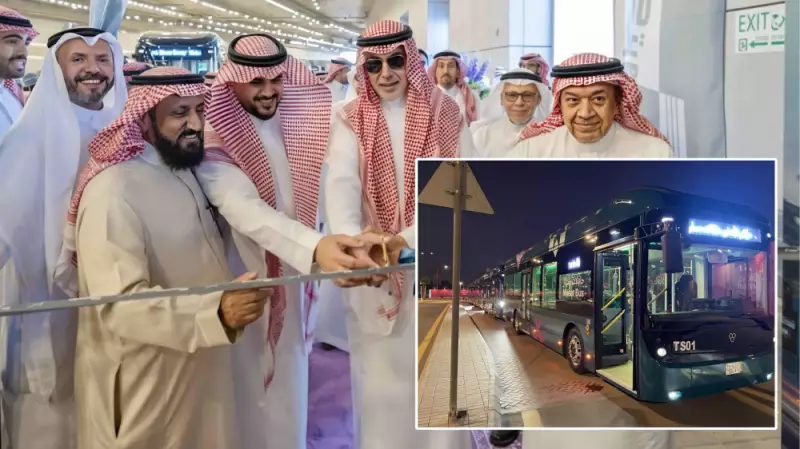
Pilgrims heading to the holy city of Makkah in 2026 and beyond are set for a revolutionary travel experience on the ground. The Kingdom of Saudi Arabia has officially launched the Masar Bus Rapid Transit (BRT), marking a historic milestone as the first fully electric BRT network in the entire Middle East. Following its inauguration in late 2025, this system represents far more than just new buses; it is a comprehensive overhaul of urban mobility for millions, seamlessly marrying the city's profound spiritual heritage with state-of-the-art, sustainable technology.
A Green Corridor for the Holy City
This ambitious project is a direct response to the anticipated surge in Hajj and Umrah pilgrims. The new electric transit system is engineered to make movement within Makkah faster, cleaner, and significantly more reliable, especially during peak seasons when congestion reaches its maximum. The network is strategically deployed along the crucial Masar corridor, a key urban artery approximately four kilometres long that links the Haramain High-Speed Railway station with central zones near the Grand Mosque (Masjid Al Haram).
By replacing conventional diesel buses on this heavily trafficked route, the initiative is a cornerstone of Saudi Arabia's broader strategy to modernise pilgrimage services. The core objectives are clear: reduce traffic congestion, cut harmful emissions, and alleviate travel stress for the millions of visitors who undertake the sacred journey each year. The system features dedicated lanes that allow buses to bypass typical traffic bottlenecks, ensuring more predictable and efficient travel times for worshippers.

Enhanced Pilgrim Experience for 2026 and Beyond
For the faithful planning their spiritual journey in 2026, the Masar BRT promises a tangible upgrade. Traditionally reliant on bus services to navigate between accommodations, prayer sites, and transport hubs, pilgrims often face delays. The new electric fleet is designed to directly address these challenges.
The buses are built to accommodate high passenger volumes while operating quietly and offering a smoother ride—a particular boon for elderly pilgrims and families travelling with children. Authorities expect the system to shorten overall journey times and improve daily mobility during the busiest periods. Furthermore, it will play a vital role in sophisticated crowd management, helping to distribute pilgrim flow more evenly and reduce pressure on the city's surrounding road networks.
Smart, Accessible, and Comfortable Travel
Managed by Electromin, the network utilises an Intelligent Transport System (ITS) that elevates the passenger experience to metro-like standards. Key features include:
- Smart Ticketing: Pilgrims can use smartphones or on-site vending machines for instant, cashless transactions.
- Climate-Controlled Comfort: Each bus is equipped with high-efficiency air conditioning, complimentary Wi-Fi, and USB charging ports at every seat.
- Universal Accessibility: A specialised hydraulic kneeling system enables level boarding, making the service fully accessible for wheelchair users, the elderly, and those with strollers.
- Real-Time Information: Digital displays at stops and inside buses provide live updates on arrivals and route information in multiple languages.
A Pillar of Saudi Vision 2030
This shift to fully electric public transport is a direct implementation of the Saudi Vision 2030 goals, focusing on improving quality of life and fostering sustainable development. Each bus is powered by a high-capacity 420kWh battery, and over its operational lifespan, the project is projected to prevent over 31.5 million kilograms of CO2 emissions.

The Masar BRT is not an isolated endeavour. It is a critical component of a wider transformation of Makkah's transportation ecosystem, designed to integrate seamlessly with the existing Haramain High-Speed Railway, ongoing pedestrianisation projects, and future public transport expansions. This holistic approach aims to serve the growing millions of annual visitors with unprecedented efficiency and respect for the environment, ensuring the spiritual journey remains at the heart of a modern, sustainable Makkah.





