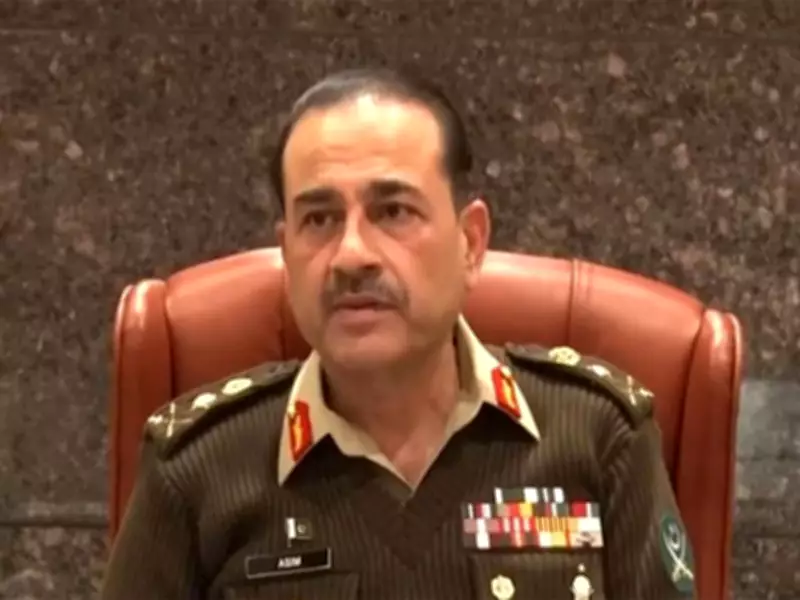
Pakistan's Chief of Army Staff General Asim Munir is likely to travel to Tehran today for high-level talks with Iranian officials, according to Iranian media reports. The visit comes at a critical time when the United States and Iran are engaged in negotiations over Tehran's nuclear program and regional security issues.
Purpose of the Visit
The discussions are expected to focus on bilateral relations, regional stability, and security cooperation. General Munir's visit underscores Pakistan's role as a key player in regional diplomacy, particularly in facilitating dialogue between Iran and its neighbors. Sources indicate that the talks will also cover border security and counterterrorism efforts.
Context of US-Iran Negotiations
The visit coincides with ongoing negotiations between the United States and Iran, which have seen both progress and setbacks. The talks, held in Vienna, aim to revive the 2015 Joint Comprehensive Plan of Action (JCPOA), also known as the Iran nuclear deal. Pakistan has consistently supported diplomatic solutions to regional conflicts and has maintained close ties with both Iran and Saudi Arabia.

Pakistan-Iran Relations
Pakistan and Iran share a long border and have historical, cultural, and economic ties. However, relations have faced challenges, including sectarian tensions and border security issues. General Munir's visit is seen as an effort to strengthen cooperation and address mutual concerns. In recent months, both countries have emphasized the importance of enhancing trade and connectivity, including the proposed Iran-Pakistan gas pipeline.
Strategic Implications
Analysts view General Munir's trip as a significant diplomatic move, reflecting Pakistan's desire to play a constructive role in the region. The visit could also help ease tensions between Iran and other regional powers, such as Saudi Arabia, with which Pakistan has strong ties. Additionally, it highlights the military's involvement in foreign policy, a hallmark of Pakistan's governance structure.
Iranian media have reported that the talks will cover a wide range of issues, including economic cooperation and regional security. The outcome of the visit could have implications for the broader Middle East, particularly in the context of the US-Iran negotiations and the ongoing conflict in Yemen.
Reactions and Expectations
While official confirmation from Pakistan's military is awaited, diplomatic sources suggest that the visit is aimed at reinforcing mutual trust and exploring avenues for collaboration. The Pakistani government has not issued a formal statement, but the visit is expected to be part of a broader diplomatic outreach to regional countries.
The timing of the visit is crucial, as the US-Iran talks are at a delicate stage. Pakistan's role as a mediator could help bridge differences and promote stability in the region. However, challenges remain, including the impact of international sanctions on Iran and the complex geopolitical landscape.