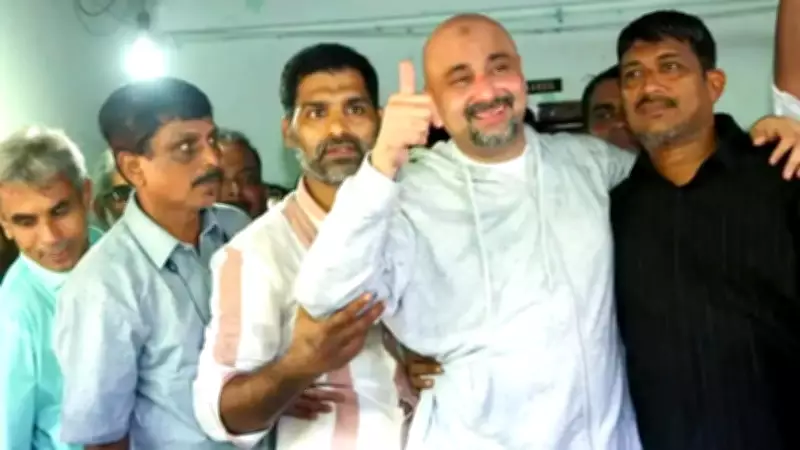
In an extraordinary display of community solidarity and diplomatic intervention, the Indian state of Kerala raised Rs 34 crore to secure the release of a man from Saudi Arabia's death row. The case, which garnered international attention, highlights the power of collective action and the complexities of navigating foreign legal systems.
The Case and the Conviction
The individual, identified as a native of Kerala, had been sentenced to death in Saudi Arabia following a conviction for a crime. The exact details of the case remain sensitive, but the sentence prompted a massive fundraising campaign back home. The man's family, along with community leaders and local politicians, launched a concerted effort to raise the required 'blood money'—a financial compensation demanded by the victim's family under Saudi law to commute the death penalty.
Community Response and Fundraising
The fundraising campaign saw contributions from a wide cross-section of society. Local businesses, religious organizations, and ordinary citizens donated generously. Social media played a crucial role in amplifying the campaign, with hashtags trending across platforms. The Kerala government also extended support, with the Chief Minister appealing for donations. Within weeks, the target of Rs 34 crore was met, showcasing the state's strong sense of community and empathy.

Diplomatic Efforts and Legal Process
Alongside the fundraising, diplomatic channels were actively engaged. The Indian embassy in Saudi Arabia worked closely with Saudi authorities to facilitate the process. Legal experts were consulted to ensure compliance with Saudi laws regarding blood money and pardon. The victim's family in Saudi Arabia eventually accepted the compensation, leading to the commutation of the death sentence.
Return and Rehabilitation
Following the successful payment, the man was released from custody and repatriated to India. He arrived in Kerala to a hero's welcome, with emotional reunions with his family. The state government has announced plans for his rehabilitation, including psychological counseling and job assistance. The case has sparked discussions about the plight of Indian workers abroad and the need for better legal support systems.
Broader Implications
The case underscores the challenges faced by migrant workers in the Gulf region, where legal systems can be opaque and penalties severe. It also highlights the importance of community networks and government intervention in such crises. The successful outcome has been hailed as a testament to Kerala's social fabric and the effectiveness of coordinated action.
While the man's life has been saved, the case raises questions about the fairness of the blood money system and the financial burdens it places on families. Advocacy groups are calling for reforms in bilateral agreements to protect workers' rights. For now, the focus remains on the positive outcome and the lessons learned in mobilizing resources for a humanitarian cause.