Iran Threatens Retaliation After US Airstrikes on Houthi Targets
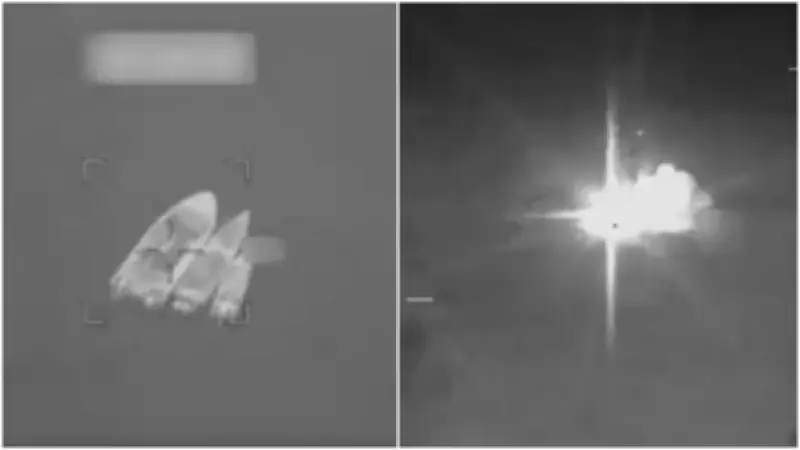
Iran has vowed a 'crushing response' to recent US airstrikes that targeted Houthi rebel positions in Yemen, escalating tensions in the Middle East and raising fears of a broader conflict. The strikes, authorized by President Donald Trump, were in retaliation for Houthi attacks on Red Sea shipping, which Tehran-backed rebels have intensified since November 2023.
According to Iranian state media, Supreme Leader Ayatollah Ali Khamenei's funeral procession drew millions in Tehran on Monday, amid heightened security. The event was overshadowed by the US military action, which killed at least 31 people in Yemen, according to Houthi-run health authorities. Iran's Foreign Ministry condemned the strikes as a violation of international law and warned of severe consequences.
Oil Markets on Edge as Strait of Hormuz Threat Looms
The escalating conflict has sent oil prices soaring, with Brent crude rising 3.2% to $72.50 per barrel on Monday. Analysts warn that any disruption to the Strait of Hormuz—through which about 20% of global oil passes—could trigger a supply crisis. Iran has previously threatened to close the strait in response to US pressure, though it has not yet done so.

Qatar has offered to mediate between Washington and Tehran, according to diplomatic sources. The Gulf state maintains close ties with both Iran and the US, and has previously facilitated prisoner swaps and nuclear talks. However, the Trump administration's 'maximum pressure' campaign, including renewed oil sanctions, has limited room for diplomacy.
Israel on High Alert as Regional Tensions Spike
Israel has put its military on high alert, fearing that Iran may use proxy forces in Syria or Lebanon to retaliate. Prime Minister Benjamin Netanyahu stated that Israel stands ready to defend itself and coordinate with the US. The Israeli Defense Forces (IDF) have reinforced air defense systems and conducted drills simulating multi-front attacks.
The US Navy has also deployed additional warships to the Red Sea and Gulf of Oman, including the aircraft carrier USS Harry S. Truman. Pentagon officials said the moves are defensive in nature but declined to rule out further strikes if Houthi attacks continue.
Houthi Attacks on Red Sea Shipping Continue
Houthi rebels have launched over 60 attacks on commercial vessels in the Red Sea and Gulf of Aden since November, claiming solidarity with Palestinians in Gaza. The US and UK have conducted joint airstrikes on Houthi targets since January, but the group has continued its campaign. On Sunday, a Houthi missile struck a Liberian-flagged tanker, causing minor damage but no casualties.
The attacks have forced major shipping companies to reroute via the Cape of Good Hope, adding 10 days to voyages and increasing costs. The International Monetary Fund warned that sustained disruption could raise global inflation by 0.5 percentage points.
Ceasefire Violations in Gaza Complicate Picture
The US-Iran standoff is further complicated by ongoing ceasefire violations in Gaza. Israel has continued targeted strikes in the Strip, killing at least 12 Palestinians on Sunday, according to Palestinian health officials. Hamas blamed the US for enabling Israeli aggression, while Iran called for a united Muslim front against Israel and its allies.
US envoy Amos Hochstein shuttled between Beirut and Tel Aviv over the weekend, seeking to prevent a wider war with Hezbollah. However, the Iran-backed Lebanese group has increased rhetoric, with leader Hassan Nasrallah warning that any US-Iran war would engulf the entire region.
International Community Calls for De-escalation
The United Nations Security Council held an emergency session on Monday, with Secretary-General António Guterres urging restraint. 'The region is on the brink of a catastrophic conflict,' he said. 'All parties must step back from the abyss.' Russia and China blamed the US for unilateral actions, while European powers called for renewed diplomacy.
Iranian President Ebrahim Raisi, in a phone call with Qatari Emir Sheikh Tamim bin Hamad Al Thani, reiterated that Iran does not seek war but will respond decisively to any threat. 'Our response will be crushing and will make the aggressors regret their actions,' Raisi said, according to a statement from his office.