Escalating tensions between Iran, the United States, and Israel have sent shockwaves through global markets, with oil prices surging following a threat from former President Donald Trump regarding the strategic Strait of Hormuz. The waterway, a critical chokepoint for global oil shipments, has become a flashpoint in the ongoing conflict.
Trump's Threat and Market Reaction
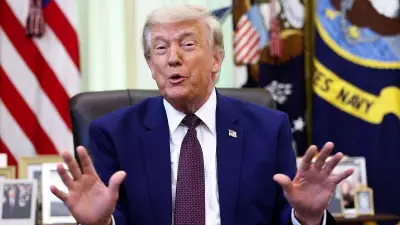
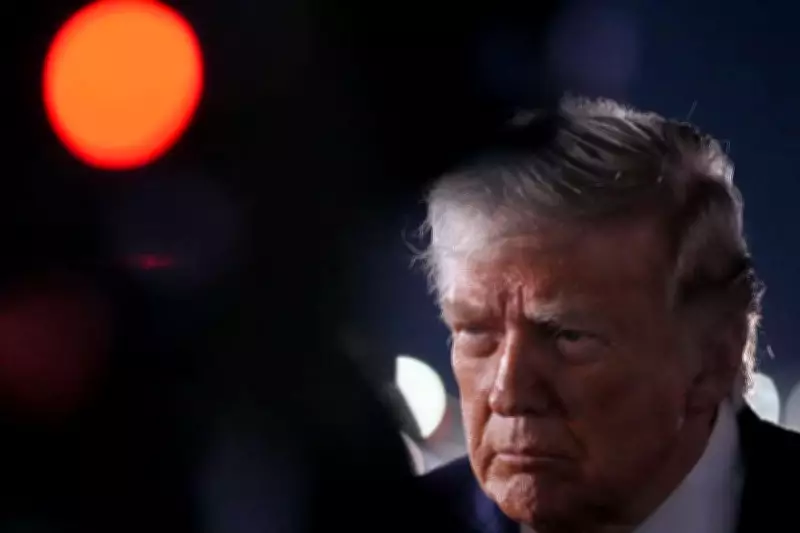
In a strongly worded statement, Trump warned of potential military action to secure the Strait of Hormuz, which Iran has previously threatened to block. This rhetoric has heightened fears of supply disruptions, driving crude oil prices to multi-year highs. Analysts warn that any actual blockade could have severe consequences for the global economy.
Ceasefire Calls and Regional Dynamics
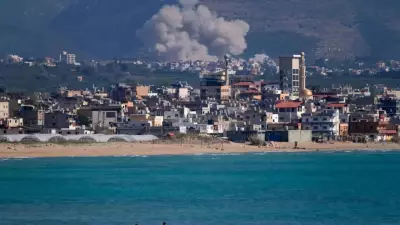
Amid the escalating rhetoric, international calls for a ceasefire have intensified. The United Nations and several world powers have urged restraint, but the situation remains volatile. Israel's Prime Minister Benjamin Netanyahu has reiterated his country's right to self-defense, while Hezbollah, the Lebanese militant group, has signaled readiness to support Iran if conflict erupts.

- Oil Markets: Brent crude briefly touched $90 per barrel, a level not seen in recent years.
- Diplomatic Efforts: The European Union and Russia have both proposed mediation, but no breakthrough is imminent.
- Military Posturing: The US has deployed additional naval assets to the region, while Iran has conducted military drills near the Strait.
Humanitarian and Economic Concerns
The potential for a broader war has raised alarms about humanitarian consequences, particularly in Yemen and Syria, where Iran-backed groups are active. The UN has warned of a possible refugee crisis if hostilities escalate. Economists fear that prolonged instability could trigger a global recession, as higher oil prices ripple through supply chains.
Netanyahu's Stance
Prime Minister Netanyahu, facing domestic political pressures, has adopted a hardline stance. In a televised address, he stated that Israel would not tolerate any threat to its security and would act decisively if necessary. He also called on the international community to impose stricter sanctions on Iran.
- Netanyahu emphasized the need to prevent Iran from acquiring nuclear weapons.
- He expressed support for US efforts to secure the Strait of Hormuz.
- He warned Hezbollah against opening a second front.
Hezbollah's Role
Hezbollah, a key ally of Iran, has warned Israel against any aggression. The group's leader, Hassan Nasrallah, stated that his forces are prepared to defend Lebanon and support Iran if attacked. This has raised fears of a multi-front conflict involving Lebanon, Syria, and potentially other proxies.
As the situation continues to evolve, all eyes are on the Strait of Hormuz and the diplomatic maneuvers in the coming days. The world watches with bated breath as the specter of a major war looms over the region.