Iran launched military strikes targeting sites in Bahrain and Kuwait on Tuesday, escalating tensions in the Middle East after a wave of US airstrikes and the revocation of a licence allowing Iran to sell oil. The Iranian action came in retaliation for US strikes that were themselves a response to attacks on three tankers in the Strait of Hormuz.
Retaliatory Strikes Follow US Military Action
The strikes by Iran targeted military positions in the two Gulf states, which host US military bases. According to Iranian state media, the operation was a direct response to what Tehran called "aggressive US actions" in the region. The US had earlier unleashed fresh military strikes and revoked a licence that permitted Iran to export oil, tightening economic pressure on the Islamic Republic.
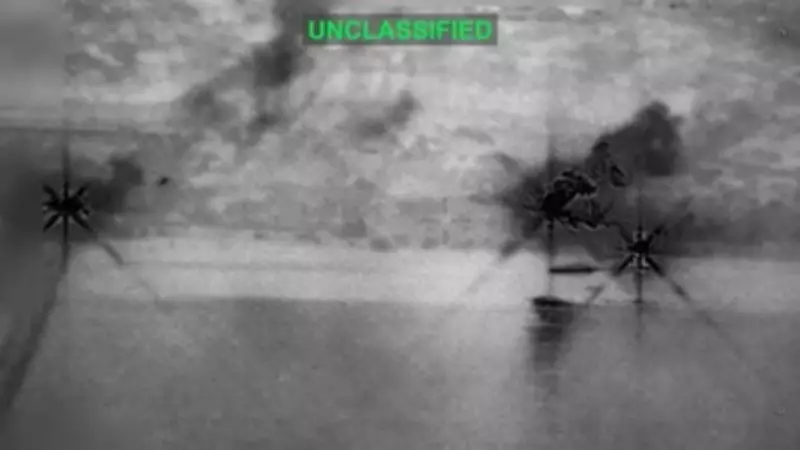
The US Central Command confirmed that it had conducted strikes against Iranian-linked targets in the region, though it did not specify the exact locations. A US official stated that the strikes were intended to degrade Iran's ability to threaten maritime security in the Strait of Hormuz, a critical chokepoint for global oil shipments.

Background: Tanker Attacks and Escalation
The latest escalation began with attacks on three tankers in the Strait of Hormuz over the past week. The US blamed Iran for the incidents, which damaged vessels and disrupted shipping. In response, Washington revoked a sanctions waiver that had allowed Iran to sell oil to certain countries, a move that could further reduce Iran's oil exports, already constrained by US sanctions.
According to the US State Department, the licence revocation was effective immediately, and any country continuing to import Iranian oil would face sanctions. The move is expected to cost Iran billions of dollars in lost revenue annually.
Regional Reactions and Concerns
Bahrain and Kuwait condemned the Iranian strikes, with Bahrain's Foreign Ministry calling them "a blatant violation of sovereignty." Kuwait's government said it reserved the right to respond to the attacks, which it said caused damage to military infrastructure but no casualties. Both countries are key allies of the US and host US naval and air forces.
Iran's Foreign Ministry defended the strikes as "legitimate self-defense" under Article 51 of the UN Charter. "Iran will not hesitate to protect its national security and respond to any aggression," a ministry spokesperson said.
Impact on Global Oil Markets
The Strait of Hormuz, through which about 20% of the world's oil passes, has become a flashpoint. Oil prices surged by more than 5% on Tuesday, with Brent crude trading above $85 per barrel, as traders feared supply disruptions. The US Navy has increased its presence in the region, and the Pentagon said it was considering further measures to ensure freedom of navigation.
Analysts warn that the conflict could spiral into a broader regional war. "This is the most serious confrontation in the Gulf since 2019," said a Middle East security expert. "Both sides are testing each other's red lines."
International Calls for De-escalation
The United Nations called for an immediate ceasefire, with Secretary-General António Guterres urging both sides to exercise restraint. The European Union offered to mediate, while Russia and China criticized the US strikes and called for a diplomatic solution.
Iran's Supreme Leader Ayatollah Ali Khamenei, in a televised address, praised the military's response and vowed that Iran would continue to resist US pressure. "The enemies should know that Iran's armed forces are ready to defend the nation's interests," he said.