Iran has firmly rejected former US President Donald Trump's claim that he could exert control over the Strait of Hormuz, with Tehran asserting its unwavering authority over the strategic maritime chokepoint. The Islamic Republic's stance comes amid ongoing tensions in the region, where approximately one-fifth of the world's oil passes through the strait.
Iran's Assertion of Sovereignty
Iranian officials have categorically dismissed Trump's statement, emphasizing that the Strait of Hormuz falls under Iranian jurisdiction and that Tehran will not cede control to any foreign power. The Iranian Foreign Ministry reiterated that the strait is an integral part of Iran's territorial waters and that any interference would be met with a strong response.
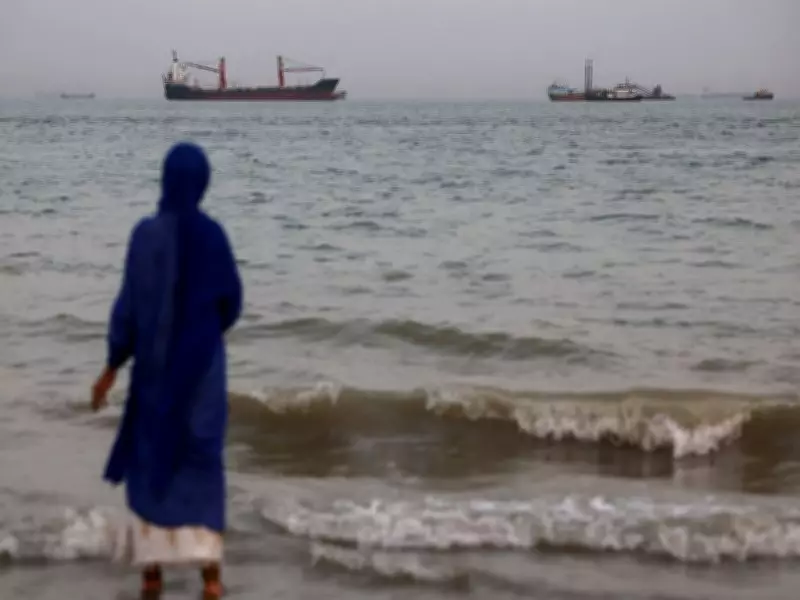
The rejection was voiced by multiple Iranian authorities, including military commanders who warned that any attempt to challenge Iran's control would be considered a hostile act. The Strait of Hormuz, located between Iran and the Arabian Peninsula, is a critical passage for global energy supplies, making it a focal point of geopolitical rivalries.

Background of the Dispute
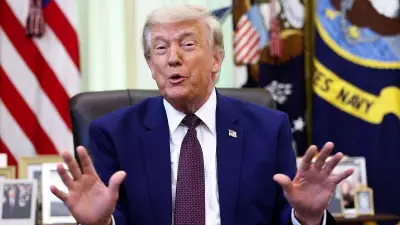
Trump's remarks, made during a recent interview, suggested that he could effectively shut down the strait if necessary, a claim that Iran views as provocative and baseless. The former US president's comments have reignited debates over the security of the waterway, which has been a source of tension between Iran and the United States for decades.
Iran has historically asserted its right to control access to the Strait of Hormuz under international law, particularly the United Nations Convention on the Law of the Sea. Tehran has also warned that any disruption to its sovereignty could lead to severe consequences for global oil markets.
Regional and Global Implications
The dispute over the Strait of Hormuz carries significant implications for global energy security and regional stability. Iran's firm stance underscores its determination to protect its national interests and maintain influence in the Persian Gulf. Analysts suggest that the standoff could escalate if diplomatic channels fail to address underlying tensions.
Iran's rejection of Trump's claim is likely to further strain US-Iran relations, which have been fraught with animosity since the US withdrawal from the nuclear deal in 2018. Tehran has consistently opposed any foreign interference in its affairs, particularly regarding strategic assets like the Strait of Hormuz.
International Reactions
The international community has called for restraint, urging both sides to avoid actions that could disrupt maritime traffic. The United Nations has emphasized the importance of freedom of navigation in the strait, which is considered a vital waterway for global commerce. Meanwhile, Iran has reaffirmed its commitment to keeping the strait open for legitimate maritime activities, provided its sovereignty is respected.
In conclusion, Iran's rejection of Trump's claim on the Strait of Hormuz highlights the deep-seated tensions in the Persian Gulf and the broader challenges facing US-Iran relations. Tehran's unwavering position signals that it will not tolerate any challenge to its control over this critical maritime chokepoint.