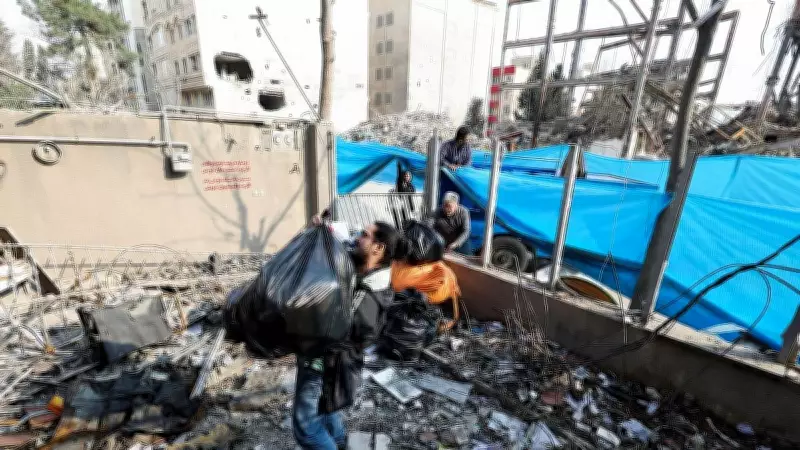
Iran Proposes Cooperation in Civilian Strike Investigations
In a significant diplomatic development, Iran has expressed its willingness to assist in investigating recent strikes on civilian areas across West Asia. The announcement comes amid escalating tensions in the region, where Gulf countries have issued strong calls for Tehran to halt its military actions.
Foreign Minister's Statement on Investigation Readiness
Iran's foreign minister publicly declared that the nation is prepared to contribute to probes examining attacks that have impacted non-combatant zones. This offer marks a potential shift in Iran's approach to regional conflicts, suggesting a new openness to international scrutiny and cooperation on security matters affecting civilian populations.
Gulf Nations Demand Cessation of Iranian Attacks
Meanwhile, multiple Gulf countries have formally requested that Iran immediately cease its military operations targeting their territories. These appeals follow documented incidents where Iranian strikes have caused substantial damage to critical infrastructure and residential neighborhoods.

The affected nations report that Iranian attacks have specifically targeted:
- Energy facilities and oil infrastructure
- Residential areas and civilian housing
- Commercial districts and public spaces
This damage has raised serious humanitarian concerns and threatens regional stability, according to analysts monitoring the situation.
Regional Implications and International Response
The dual developments—Iran's investigation offer and Gulf countries' demands—create a complex diplomatic landscape in West Asia. While Iran's proposal could potentially open channels for dialogue and conflict resolution, the continued military actions have strained relations with neighboring states.
International observers note that the situation reflects broader geopolitical tensions involving multiple regional and global powers, with implications for energy security and civilian protection throughout the Middle East.
The timing of these announcements, coming amid ongoing conflicts in West Asia, suggests potential diplomatic maneuvering as various actors position themselves ahead of possible negotiations or escalations.