Iran Maintains Grip on Strategic Strait of Hormuz
Iran has insisted on retaining control over the Strait of Hormuz under an interim agreement with the United States, according to senior Iranian sources. The deal, reached this month, aims to end a three-month conflict between the two nations. Under its terms, Iran agreed to allow ships to pass through the strait for 60 days without charge, but the country’s authorities will continue to oversee the waterway.
Details of the Interim Deal
The agreement, which came into effect in late June 2026, stipulates that Iran will not impose fees or restrictions on vessels transiting the Strait of Hormuz for the next two months. In return, the United States has reportedly agreed to refrain from certain military actions in the region. However, senior Iranian officials emphasized that Tehran retains the right to manage and secure the strait, a critical chokepoint for global oil shipments.
“Iran’s sovereignty over the Strait of Hormuz is non-negotiable,” a senior Iranian source told Reuters. “We have allowed free passage as a gesture of goodwill, but the strait remains under our control.”

Strategic Importance of the Strait
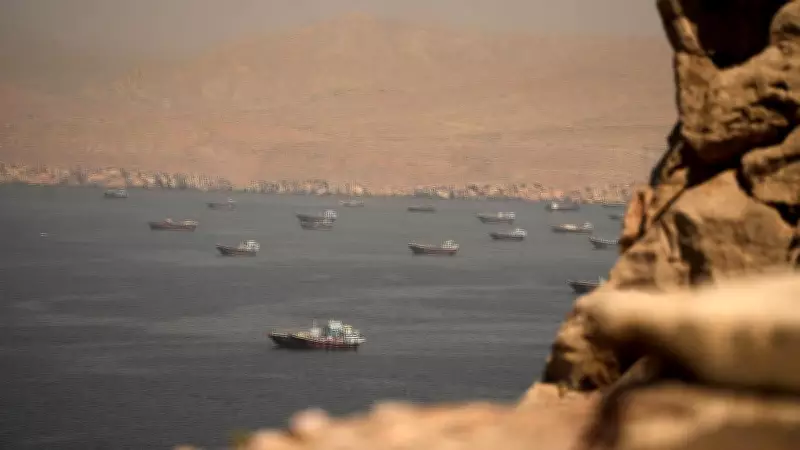
The Strait of Hormuz, located between Iran and Oman, is one of the world’s most vital maritime passages. Approximately 20% of global oil consumption passes through the waterway daily, making it a key focus of international energy security. During the three-month conflict, Iran had threatened to block the strait, causing volatility in global oil markets.
Impact on Global Shipping and Oil Prices
The 60-day no-fee passage agreement has provided temporary relief to shipping companies and oil traders. Crude oil prices, which had spiked during the conflict, have stabilized since the deal was announced. However, analysts warn that the short-term nature of the agreement leaves room for future disruptions. “This is a band-aid solution,” said an energy market analyst. “The underlying tensions remain, and Iran’s insistence on control suggests the strait could become a bargaining chip again.”
International Reactions
The United States has not officially commented on Iran’s claim of control, but U.S. officials have stated that the deal ensures freedom of navigation. Other Gulf states, including Saudi Arabia and the United Arab Emirates, have expressed cautious optimism while calling for a more permanent resolution. The United Nations has urged both parties to extend the agreement and negotiate a long-term framework.
What Comes Next
With the 60-day period set to expire in late August, negotiations for a more comprehensive deal are expected to begin soon. Iran has signaled willingness to discuss broader issues, including its nuclear program, but insists that control over the Strait of Hormuz remains a red line. The outcome of these talks will have significant implications for global energy markets and regional stability.