Iran could potentially reopen the Strait of Hormuz within a month if certain terms are agreed upon, according to a recent report. The strait, a crucial waterway for global oil shipments, has been a focal point of tensions in the Middle East.
Background of the Strait of Hormuz
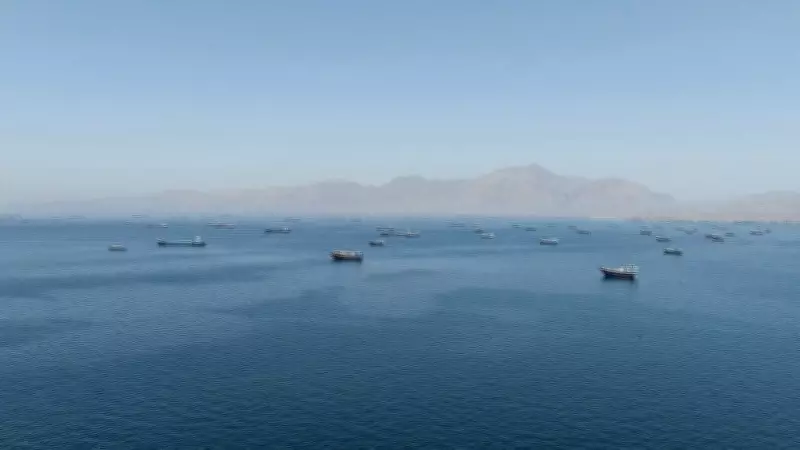
The Strait of Hormuz is a narrow passage connecting the Persian Gulf to the Gulf of Oman and the Arabian Sea. It is one of the world's most important oil transit chokepoints, with about 20% of global oil passing through it. Any disruption to shipping in the strait can have significant impacts on global oil prices and energy security.
Iran's Stance and Potential Conditions
Iran has indicated that it is willing to reopen the strait, but only if its terms are met. The specific conditions have not been fully disclosed, but they are believed to involve guarantees related to Iran's oil exports and economic interests. The report suggests that negotiations are ongoing and that an agreement could be reached within a month.

Implications for Global Markets
The reopening of the Strait of Hormuz would be a positive development for global oil markets, as it would alleviate concerns about supply disruptions. Oil prices have been volatile due to geopolitical tensions in the region, and a resolution could help stabilize prices. However, the situation remains fluid, and any breakdown in talks could lead to renewed uncertainty.
International Reactions
The international community has been closely monitoring the situation. Several countries, including major oil consumers and producers, have called for a peaceful resolution. The United States and European nations have been involved in diplomatic efforts to ensure the free flow of oil through the strait. Iran's potential reopening is seen as a step towards de-escalation.
Conclusion
While the timeline of one month is optimistic, it underscores the possibility of a diplomatic breakthrough. The coming weeks will be critical in determining whether an agreement can be reached. For now, the world watches as Iran and other stakeholders navigate this complex geopolitical issue.