Iran is grappling with its most significant wave of civil unrest since the 2022 Mahsa Amini protests, with authorities confirming at least seven fatalities over two days. The demonstrations, now in their fifth day, have erupted primarily over a severe economic crisis marked by soaring inflation and a record collapse of the national currency, the rial.
Economic Despair Fuels Nationwide Unrest
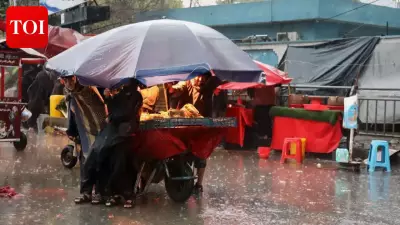
The current protests ignited on Sunday in Tehran's major bazaars after the Iranian rial plunged to unprecedented lows, drastically increasing prices for essential goods and living costs. The frustration quickly spread beyond the capital. By Tuesday, students and residents in multiple cities including Shiraz, Isfahan, Kermanshah, and Fasa had joined the demonstrations.
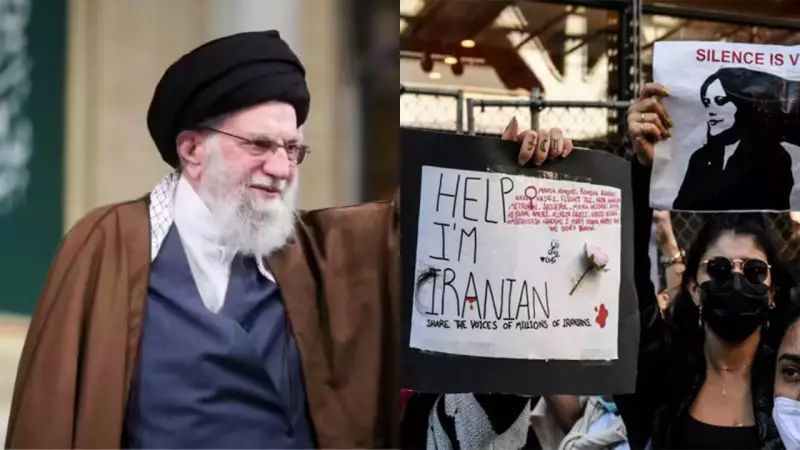
Videos circulating online show protesters chanting potent slogans such as "Death to the Dictator" and "Death to Khamenei," directly challenging the country's Supreme Leader, Ayatollah Ali Khamenei. The protests have seen violent clashes with security forces, leading to casualties on both sides.

Fatal Clashes and Geographic Spread
The death toll rose sharply on Wednesday and Thursday. Authorities and rights groups reported that the seven killed included both demonstrators and members of Iran's security forces. The unrest has notably spread to several provinces, including areas with significant Lur populations, raising concerns of an even tougher security crackdown.
Azna in Lorestan province emerged as a major hotspot, where intense clashes were reported. Semiofficial Fars news agency confirmed three deaths in the city, with online videos showing streets engulfed in fire and echoing with gunfire.
Further violence was reported in Lordegan, Chaharmahal and Bakhtiari province, where two more deaths occurred. In Fuladshahr, Isfahan province, state media reported one man's death, which activist groups claim resulted from police opening fire on protesters. Additionally, a 21-year-old volunteer from the Revolutionary Guard's Basij force was killed during protests in Kouhdasht, Lorestan.
Government Response and Overlapping Crises
In response to the escalating situation, the government has taken several measures. President Masoud Pezeshkian acknowledged public anger and promised to address the "legitimate demands" of the people, while simultaneously warning against attempts to create instability. On the economic front, a new central bank chief was appointed.
In a clear attempt to curb the protests' momentum, authorities declared a sudden public holiday across 21 of Iran's 31 provinces on Wednesday, shutting down markets, universities, and offices. Security has also been tightened around academic institutions.
Analysts note that the 86-year-old Supreme Leader Ayatollah Ali Khamenei is facing a confluence of severe crises: economic collapse, critical water shortages, widespread civil disobedience, and a weakened military. The government has also initiated a security crackdown, with state TV reporting at least 20 arrests in Kouhdasht and the seizure of 100 smuggled pistols. Media coverage remains severely restricted, with journalists facing arrest for reporting on the protests—a pattern established since the 2022 unrest.
This wave of protests underscores the deep and persistent public frustration over inflation, unemployment, and governance issues, highlighting the ongoing tension between the Iranian state and its citizens.