

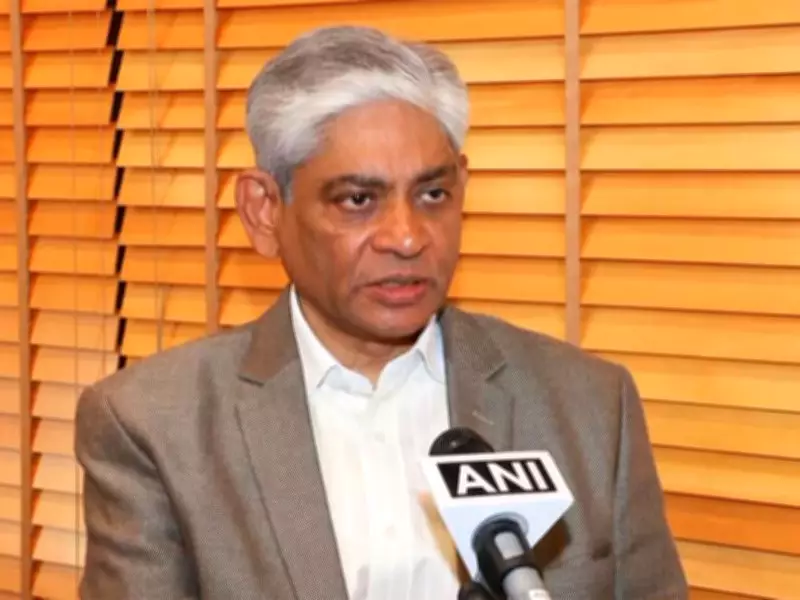
In a significant development for international trade relations, former Indian Ambassador to the United States Arun K. Singh has emphasized that the recently concluded US-India trade deal effectively removes a longstanding competitive disadvantage faced by Indian businesses. This landmark agreement marks a pivotal step in strengthening the economic and strategic partnership between the two nations, fostering greater cooperation and mutual benefits.
Key Insights from Former Ambassador Arun K. Singh
Arun K. Singh, who served as India's envoy to the US, provided detailed analysis on how the trade deal addresses critical issues that previously hindered India's competitiveness in the global market. He pointed out that the agreement includes provisions to reduce tariffs, streamline regulatory processes, and enhance market access, which collectively level the playing field for Indian exporters and industries.
Elimination of Trade Barriers
The trade deal specifically targets and dismantles various barriers that had placed Indian companies at a disadvantage compared to their American counterparts. Singh highlighted that this includes resolving disputes over intellectual property rights, improving customs procedures, and ensuring fair treatment in government procurement. These measures are expected to boost India's export potential and attract more foreign investment.

Impact on Bilateral Relations
Beyond economic gains, Singh underscored the strategic importance of the deal in reinforcing the US-India partnership. He noted that by removing competitive disadvantages, the agreement not only promotes trade but also deepens diplomatic ties, aligning with shared goals of regional stability and global economic growth. This move is seen as a testament to the growing trust and collaboration between the two democracies.
Broader Implications for India's Economy
The removal of competitive disadvantages through this trade deal is anticipated to have far-reaching effects on India's economy. Key sectors such as information technology, pharmaceuticals, and manufacturing are likely to benefit significantly, leading to job creation and enhanced innovation. Singh's insights suggest that this could position India more favorably in the global supply chain, reducing dependency on other markets.
Future Prospects and Challenges
While the trade deal is a positive step, Singh also cautioned about the need for effective implementation and ongoing dialogue to address any emerging issues. He emphasized that both countries must work collaboratively to monitor the agreement's impact and make adjustments as necessary to ensure sustained benefits. This proactive approach will be crucial in maintaining the momentum of improved trade relations.
In summary, the US-India trade deal, as analyzed by former envoy Arun K. Singh, represents a critical milestone in eliminating competitive disadvantages and fostering a more equitable economic partnership. By addressing key trade barriers and enhancing bilateral cooperation, this agreement sets the stage for increased prosperity and stronger ties between India and the United States, with potential positive ripple effects across the global economy.






