In a significant move aimed at stabilising economic relations, the United States has decided to postpone the imposition of fresh tariffs on Chinese semiconductors. The new duties, which target China's dominance in older-generation chips, will now not take effect until June 2027.
Details of the US Trade Representative's Notice
The decision was formalised in a public notice issued by the Office of the U.S. Trade Representative (USTR) on Tuesday. The notice accuses China of employing unfair trade practices within the semiconductor industry. It states that China's explicit targeting of the chip sector for global dominance is "unreasonable and burdens or restricts U.S. commerce."
Despite these strong allegations, the USTR outlined a delayed tariff schedule. The initial tariff level will be held at zero for the next 18 months. Following this period, the tariffs are scheduled to increase in June 2027, though the exact rate remains undetermined at this time.

Background: The "Legacy Chips" Investigation and Geopolitical Context
This action stems from a trade inquiry initiated towards the end of the Biden administration. The probe focused specifically on China's massive production of older-generation semiconductors, commonly known as legacy chips. These components are critical for a wide array of products, including consumer electronics, automobiles, military hardware, and telecommunications equipment.
Both U.S. and European authorities have grown increasingly concerned about the potential risks of relying heavily on China for these foundational technologies. The delay in tariffs, however, underscores the Trump administration's current effort to steady ties with Beijing. This comes after a period of intense trade friction earlier in the year that rattled global markets.
The October Truce and Future Diplomacy
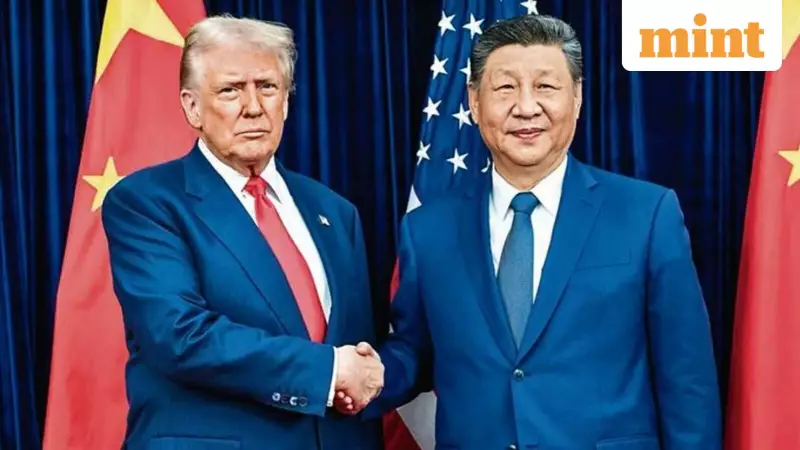
The tariff postponement aligns with a broader truce agreed upon by President Donald Trump and Chinese President Xi Jinping in late October 2025. That agreement involved a reduction of certain stiff U.S. tariffs on Chinese goods. In exchange, China pledged to intensify its crackdown on the trade of precursor chemicals used to manufacture the synthetic opioid fentanyl.
President Xi has been President Trump's most formidable trade opponent, frequently pushing back against tariff threats and demonstrating a readiness to retaliate. This diplomatic jousting has not only unsettled financial markets but also placed U.S. allies in a difficult position, as they face pressure to counter Beijing while sometimes being hit with American tariffs themselves.
Looking ahead, President Trump confirmed last month that he has accepted an invitation to meet President Xi in Beijing in April. He also stated plans to host the Chinese leader for a state dinner in the United States within the coming year, signalling a continued, high-level engagement. The Chinese Embassy in Washington did not offer an immediate comment on the latest tariff delay.