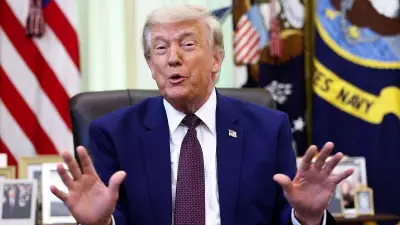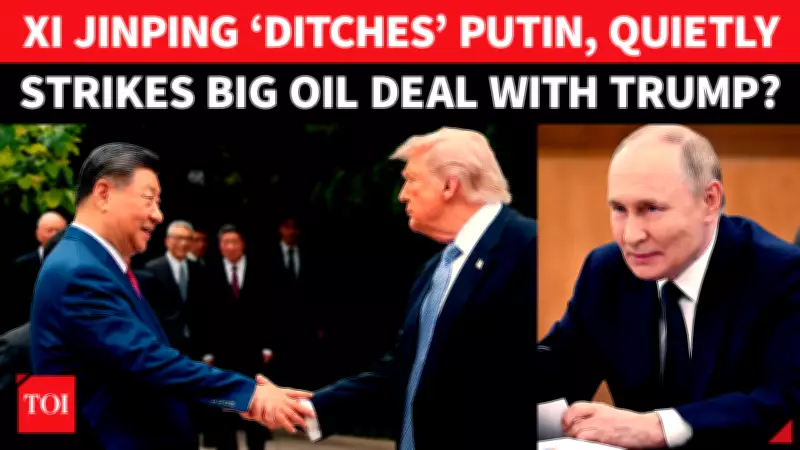
US President Donald Trump has claimed that China could soon begin buying large amounts of American oil, signaling a potential geopolitical and economic shift away from dependence on Russian and Iranian crude amid the ongoing Iran war. Speaking after high-stakes talks with Chinese President Xi Jinping in Beijing, Trump said Xi 'likes the idea' of purchasing oil from Texas, Louisiana, and Alaska as fears grow over disruptions in the Strait of Hormuz — the critical route for nearly a fifth of global oil flows.
China remains the world's largest crude importer and currently relies heavily on Russian and Iranian oil. However, with the Middle East crisis disrupting tanker traffic and global energy markets, Washington now appears to be positioning itself as an alternative energy supplier to Beijing. Trump's statement suggests a major realignment in global energy trade, potentially reducing China's dependency on Russian and Iranian supplies.
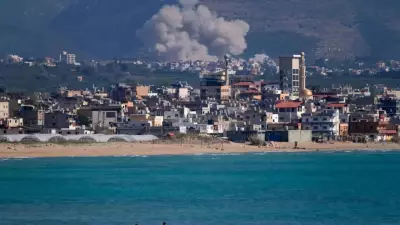
The Strait of Hormuz, a narrow waterway between the Persian Gulf and the Gulf of Oman, is a vital chokepoint for global oil shipments. Ongoing conflicts in the region have raised concerns about supply disruptions, prompting both China and the United States to explore alternative trade routes and partnerships. Trump's proposal to supply American oil to China could reshape the dynamics of the global energy market, offering Beijing a more stable and secure source of crude.

Analysts note that such a shift would have significant implications for Russia and Iran, both of which have relied heavily on Chinese oil purchases to sustain their economies amid international sanctions. If China diverts its imports to the United States, it could further isolate Moscow and Tehran while strengthening US-China economic ties. However, the feasibility of this transition depends on pricing, logistics, and the political will of both nations.
Trump's remarks came during a broader summit in Beijing, where discussions covered trade, security, and the ongoing Iran conflict. The US president emphasized that the oil deal would be mutually beneficial, providing China with reliable energy supplies while boosting American oil exports. He added that the shift 'will happen,' though no formal agreement was announced.
The potential oil deal is part of a larger strategy by the Trump administration to reduce China's reliance on adversarial nations. By offering American energy, Washington aims to create a new dependency that could influence Beijing's foreign policy decisions. At the same time, China seeks to diversify its energy sources to avoid supply shocks from volatile regions.
Experts caution that while the idea is promising, implementation faces hurdles. American oil is generally more expensive than Russian or Iranian crude due to higher production costs and transportation distances. Additionally, China's refining infrastructure is optimized for the specific grades of oil from its current suppliers. Nevertheless, Trump's statement signals a bold vision for reshaping global energy alliances.