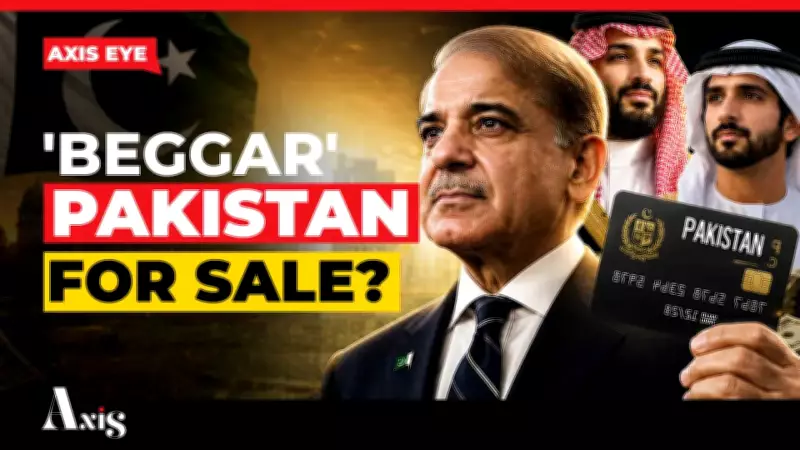
Pakistan recently repaid $3.45 billion to the United Arab Emirates. While this may appear to be a sign of fiscal responsibility, the reality is more complex. The funds for this repayment originated from Saudi Arabia, creating a circular flow of money. This is not a story of economic recovery but rather a loop where Saudi deposits, UAE repayments, and International Monetary Fund (IMF) bailouts continuously cycle through the system.
The Revolving Door of Loans
Pakistan's economy is surviving on a precarious see-saw of loans. The pattern involves Saudi Arabia providing deposits or loans, which are then used to repay debts to the UAE or other creditors. Subsequently, Pakistan seeks fresh bailouts from the IMF to replenish its reserves. This cycle is not driven by genuine economic growth but by geopolitical considerations.
Why Gulf Countries Keep Funding Pakistan
Despite repeated economic crises, Gulf nations like Saudi Arabia and the UAE continue to extend financial support to Pakistan. The reasons are multifaceted:

- Strategic Alliances: Pakistan holds strategic importance in South Asia, particularly in relation to India and China. Gulf states view a stable Pakistan as a counterbalance to regional rivals.
- Geopolitical Leverage: By providing financial aid, Gulf countries gain influence over Pakistan's foreign policy decisions, including its stance on issues like Kashmir and Iran.
- Economic Interests: Pakistani expatriates in the Gulf contribute significantly to remittances, and Gulf states have investments in Pakistan's energy and infrastructure sectors.
IMF's Role in the Cycle
The IMF continues to release funds to Pakistan even when economic reforms stall. This leniency can be attributed to the IMF's desire to prevent a default that could destabilize the region. Additionally, major shareholders like the United States and China may exert pressure to keep Pakistan afloat.
The Geopolitical Endgame
The Saudi-UAE rivalry also plays a role. While both are allies, they compete for influence in South Asia. Saudi Arabia's deposits ensure Pakistan's alignment with Riyadh, while the UAE's loans create dependency on Abu Dhabi. This competition benefits Pakistan in the short term but perpetuates its debt trap.
In conclusion, Pakistan's economy is caught in a loop where loans from Gulf countries and the IMF sustain it temporarily, but without structural reforms, the cycle will continue. The geopolitics of the region ensures that external actors keep the system running, but at the cost of Pakistan's long-term economic independence.