Oil prices experienced a slight decline on Friday following reports indicating a potential extension of the ceasefire between the United States and Iran, amid the ongoing Middle East conflict that has now persisted for over three months.
Market Movements
Brent crude futures decreased by 0.37 percent to settle at $93.36 per barrel, while US West Texas Intermediate (WTI) crude futures slipped 0.71 percent to $88.27 per barrel. Traders reacted to shifting signals surrounding a possible de-escalation of the crisis in the Strait of Hormuz, a critical waterway for global oil shipments.
The decline in oil futures was fueled by hopes of a tentative agreement between Washington and Tehran to extend the ceasefire. However, comments from US Vice President JD Vance indicated that while the two sides were 'close' to reaching a deal, they were 'not there yet,' which prevented prices from falling further, according to Reuters.

Weekly Volatility
Prices were down more than 8 percent for the week, with Brent crude hitting a low of $87.11 after touching a high of $109.47 the previous week. This sharp volatility reflects conflicting signals over a potential end to the Iran war and the prospects of reopening the strategic Strait of Hormuz, which carries approximately one-fifth of global oil and liquefied natural gas (LNG) flows.
Shipping activity through the strait has fallen sharply since the conflict escalated, with current traffic levels only a fraction of pre-war volumes.
Ceasefire Negotiations
Reports suggested that the US and Iran had agreed in principle to extend their ceasefire by 60 days and ease restrictions on shipping through the Strait of Hormuz. However, the deal has not yet been formally approved by US President Donald Trump and has not been finalized by Iran, according to state-linked media and officials.
Vance stated that Washington remained close to a breakthrough but acknowledged sticking points, particularly regarding Iran's enriched uranium stockpile and enrichment levels. "We're not there yet, but we're very close and we're going to keep on working at it," he said. The US Vice President added that the United States could significantly set back Tehran's nuclear program, though he could not guarantee a deal.
Renewed Tensions
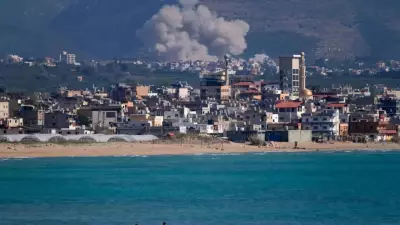
Market sentiment was further shaped by reports of renewed tensions on the ground, including US strikes on Iranian-linked targets and interceptions of drones and missiles in the Gulf region, underscoring the fragility of the ceasefire. US Central Command said it had shot down multiple Iranian drones and struck a ground control station near Bandar Abbas, while Kuwait reported intercepting a ballistic missile targeting its territory. Iran's Revolutionary Guard, meanwhile, warned of a 'more decisive response' if attacks continued.
The combination of ceasefire hopes and ongoing military actions keeps the oil market on edge, with traders closely monitoring developments in the region.