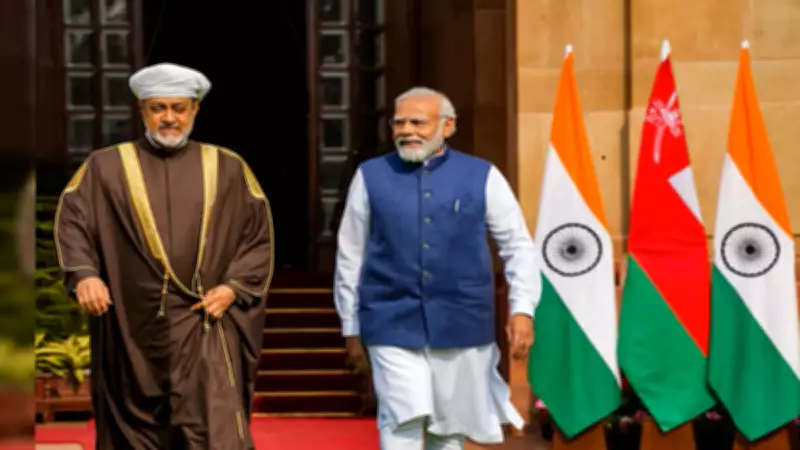
The historic trade agreement between India and Oman officially came into force on June 1, marking a significant milestone in bilateral relations. The Comprehensive Economic Partnership Agreement (CEPA) is expected to boost exports, attract investment, and strengthen strategic ties between the two nations.
Key Features of the Pact
The CEPA eliminates tariffs on a wide range of goods, including textiles, pharmaceuticals, and agricultural products. It also facilitates easier market access for services and promotes investment flows. The agreement is projected to increase bilateral trade from the current $10 billion to $20 billion within five years.
Strategic Significance
Oman’s strategic location near the Strait of Hormuz offers an alternative trade route, reducing dependence on the narrow waterway. This is crucial for India’s energy security and trade diversification. The pact also enhances cooperation in defense, maritime security, and counterterrorism.

Impact on Indian Exports
Indian exporters, particularly in sectors like engineering goods, chemicals, and IT services, stand to gain significantly. The removal of tariffs will make Indian products more competitive in the Omani market and beyond, as Oman serves as a gateway to the Gulf Cooperation Council (GCC) region.
Investment Opportunities
The agreement includes provisions for investment protection and dispute resolution, encouraging Indian companies to invest in Oman’s infrastructure, energy, and manufacturing sectors. Similarly, Omani investors can explore opportunities in India’s rapidly growing economy.
Strengthening Bilateral Ties
The CEPA is not just an economic deal; it is a cornerstone of the strategic partnership between India and Oman. Regular high-level visits and joint military exercises have already laid the foundation for deeper cooperation. The pact is expected to further align the two countries’ interests in the Indian Ocean region.
Alternative to Strait of Hormuz
One of the most critical aspects of the agreement is the development of alternative trade routes. Oman’s ports, such as Duqm and Salalah, offer connectivity to Central Asia and Africa, bypassing the Strait of Hormuz. This reduces vulnerability to geopolitical tensions in the Persian Gulf.
- Trade Growth: Bilateral trade expected to double to $20 billion in five years.
- Tariff Elimination: Over 90% of tariff lines will be phased out.
- Service Sector: Enhanced access for Indian IT, healthcare, and education services.
- Investment Protection: Stronger legal framework for investors.
Conclusion
The India-Oman CEPA is a landmark deal that promises mutual economic benefits and strategic advantages. As the pact takes effect, it paves the way for a new era of cooperation, making Oman a vital partner in India’s Act East and West policies.