China has signaled it is willing to accept a certain level of US tariffs while pushing for an extension of the ongoing trade truce with Washington, a move that could indicate further stabilization in ties between the world's two largest economies, according to a Bloomberg report.
China's Stance on Tariff Levels
According to a statement issued by China's Commerce Ministry on Wednesday, Beijing expressed hope that Washington would adhere to previous understandings reached during negotiations in Kuala Lumpur last year. The ministry stated, "We hope that the US will honor its commitments and that, regardless of the reasons given for imposing or replacing tariffs on China in the future, the level of US tariffs on China will not exceed the level" agreed upon during the Kuala Lumpur talks in October.
Bloomberg reported that trade officials from both countries are expected to hold discussions on extending the one-year agreement reached during that period. The broader agreement was later unveiled during a leaders' summit in Busan, South Korea, leading to a suspension of some tariffs, restrictions on rare earth materials, and investigations linked to Chinese shipbuilders until November this year.

Common Interests and International Expectations
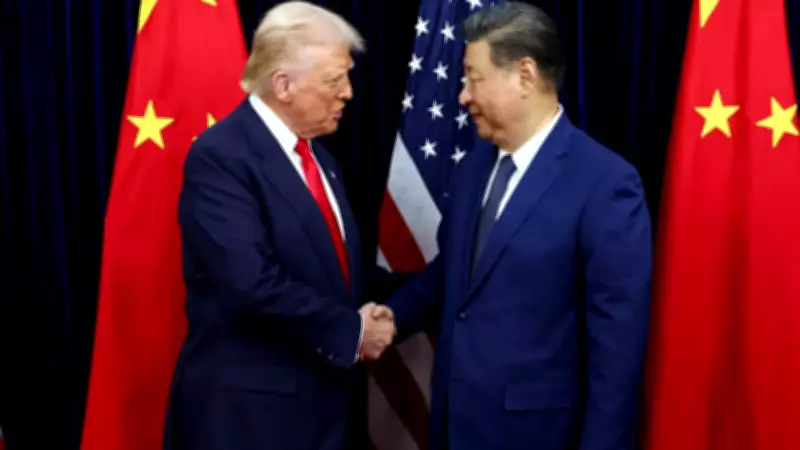
The Commerce Ministry noted that working toward an extension "aligns with the two countries' common interest, as well as international expectations." This development comes after US President Donald Trump's recent visit to Beijing, where both sides agreed to pursue a more stable relationship, although discussions also included sharp differences over Taiwan.
The ministry's statement suggested Beijing could accept US tariff levels provided they remain within the framework agreed during the Malaysia negotiations, which had reportedly brought effective tariff levels to around 30 percent. That level was later estimated to have fallen to around 21 percent after some tariffs were struck down by the US Supreme Court.
US Tariff Restoration Efforts
The Trump administration has since explored restoring tariffs through fresh Section 301 investigations. Treasury Secretary Scott Bessent had earlier said such tariffs could return by July. Chinese Commerce Minister Wang Wentao raised concerns regarding the proposed probes.
In Wednesday's statement, China also urged the US to further reduce unilateral tariff measures. The ministry said the US should remove additional unilateral tariffs during future discussions to "create favorable conditions for expanding economic and trade cooperation."
Areas of Cooperation
China confirmed several areas of cooperation, including plans to purchase 200 Boeing aircraft and establish institutional mechanisms to manage trade and investment discussions. The report added that the Board of Trade is seeking tariff reductions on at least $30 billion worth of goods, representing around 7 percent of Chinese exports to the US last year.
The two sides also discussed agricultural trade and the supply of critical rare earth materials. The US had earlier said China agreed to purchase at least $17 billion worth of agricultural products annually through 2028, in addition to previous soybean commitments. Discussions also touched upon agriculture biotechnology and inspection of certain US beef facilities by Chinese technical teams.
According to US Department of Agriculture data, US agricultural exports to China were valued at $24 billion in 2024, with soybeans accounting for nearly half of that total. Overall exports to China later declined to $8.3 billion in 2025 amid escalating trade tensions.