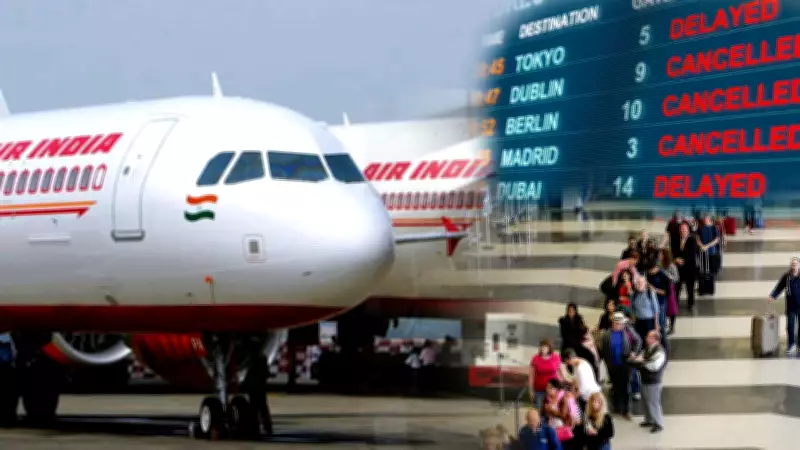
Air India is slashing multiple international routes beginning June as soaring fuel prices, the West Asia conflict, Pakistani airspace restrictions, and weakening demand put pressure on global aviation. Flights to destinations across Asia, Europe, North America, and Australia are being reduced or suspended, while ticket prices continue to rise sharply.
Why Airlines Are Cancelling Flights
The aviation industry is facing a perfect storm of challenges. Rising fuel costs have made many routes unprofitable, particularly long-haul flights. The ongoing conflict in West Asia has forced airlines to reroute flights, adding to operational costs. Additionally, restrictions on Pakistani airspace have further complicated flight paths, especially for routes to Europe and North America. Weakening demand, partly due to economic uncertainty, has also contributed to the decision to cut capacity.
Impact on Ticket Prices
As airlines reduce flights, the law of supply and demand is driving up ticket prices. With fewer seats available, passengers are facing significantly higher fares. The situation is expected to worsen in the coming months as the summer travel season approaches. Experts advise travelers to book early and be flexible with their travel dates to secure the best possible prices.

Geopolitical Crisis and International Travel
The geopolitical crisis in West Asia has had a ripple effect on global aviation. Airlines are avoiding certain airspace, leading to longer flight times and higher fuel consumption. This has forced carriers like Air India to reassess their network strategies. The situation remains fluid, and further adjustments to flight schedules are likely.
Passengers are urged to check with their airlines for the latest updates on flight cancellations and changes. Many airlines are offering rebooking options or refunds for affected flights. However, travelers should be prepared for continued disruptions and higher costs in the near term.