US Secretary of State Marco Rubio has underscored Washington's determination to prevent geopolitical disruptions from distorting global energy markets, as ongoing tensions linked to the Iran conflict continue to affect oil supply routes and pricing dynamics. During discussions on energy security, Rubio's office, as quoted by Reuters, stressed that the United States views energy exports as a crucial instrument for strengthening partnerships, particularly with India, a major crude importer navigating supply diversification challenges.
Rubio on Energy Cooperation with India
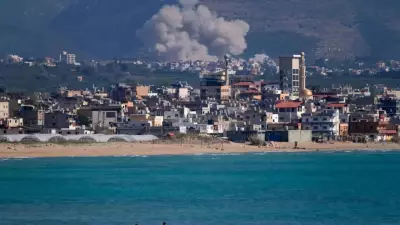
In this context, Rubio stated, “US energy products have the potential to diversify India’s energy supply.” He also reiterated a broader US position on global energy stability amid the Iran-related crisis, with his office adding, “the United States will not let Iran hold the global energy market hostage.” These remarks come as the Iran war has disrupted global energy flows and contributed to volatility in oil markets, complicating Washington's efforts to reduce India's reliance on Russian crude imports.
Impact on US Energy Diplomacy
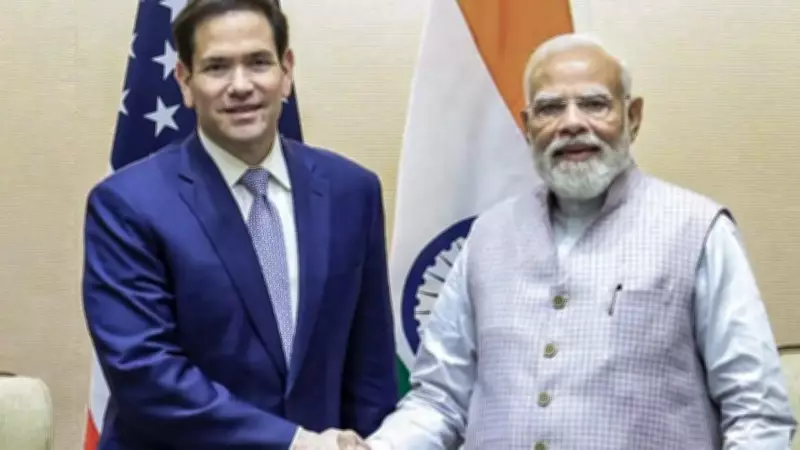
The instability has added a new layer of complexity to US energy diplomacy in Asia, where supply security has become increasingly central to strategic engagement. Officials indicated that the ripple effects of the conflict have not only impacted global pricing but also slowed parts of Washington's broader effort to realign energy trade flows away from sanctioned or high-risk suppliers. Rubio's comments were made during broader engagements in New Delhi, where he met Indian leadership to discuss energy cooperation, trade expansion under the “Mission 500” framework, and Indo-Pacific strategic alignment through the Quad.

Aggressive Commercial Energy Posture
In earlier public remarks, Rubio had signaled a more aggressive US commercial energy posture toward India, saying, “We want to sell them as much energy as they’ll buy.” Separately, he reiterated India's importance in Washington's strategic outlook, describing it as a key partner in shaping long-term regional stability while the US continues to manage the economic and geopolitical spillovers of the Iran conflict.
The developments highlight the intricate interplay between energy security, geopolitical tensions, and strategic partnerships in the current global landscape. As the US seeks to stabilize energy markets and reduce dependencies on adversarial nations, India emerges as a pivotal ally in both economic and security dimensions.