

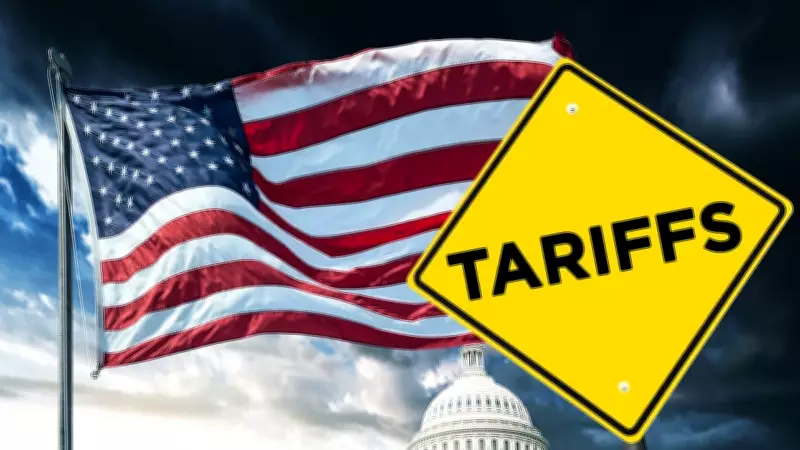
US Tariff Uncertainty Casts a Dense Economic Fog Over Global Markets
The global economic landscape is once again shrouded in a thick fog of uncertainty as the United States' tariff rates remain up in the air. This ambiguity is not merely a domestic issue but a significant international concern, with ripple effects felt across continents. The lack of clarity on future trade policies is exacerbating existing tensions and creating a volatile environment for businesses and investors alike.
Heightened Trade Tensions and Market Volatility
With US tariff rates hanging in the balance, trade tensions between major economies have intensified. This situation has led to increased market volatility, as stakeholders grapple with unpredictable shifts in trade dynamics. The economic fog, as it thickens, is causing delays in investment decisions and supply chain adjustments, further complicating the recovery from recent global economic challenges.
The uncertainty surrounding tariffs is particularly impactful for industries reliant on international trade. Sectors such as manufacturing, agriculture, and technology are experiencing heightened anxiety, with companies forced to navigate a landscape of potential tariff hikes and retaliatory measures. This environment is stifling growth and innovation, as businesses adopt a cautious approach to expansion and new ventures.

Global Implications and Diplomatic Strains
The economic fog generated by US tariff uncertainty extends beyond financial markets, straining diplomatic relations and international cooperation. Nations are closely monitoring the situation, with many expressing concerns over the potential for a trade war that could derail global economic stability. The lack of a clear direction from the US is prompting other countries to reconsider their own trade policies, leading to a fragmented and less predictable global trade system.
This period of uncertainty is reminiscent of past trade disputes that have had long-lasting economic repercussions. Experts warn that prolonged ambiguity could lead to reduced global trade volumes, higher consumer prices, and slower economic growth worldwide. The need for transparent and consistent trade policies has never been more critical to dispel the economic fog and foster a stable international environment.
Looking Ahead: Navigating the Economic Fog
As the world awaits clarity on US tariff rates, stakeholders are urged to prepare for various scenarios. Governments, businesses, and investors must develop strategies to mitigate risks associated with potential tariff changes. This includes diversifying supply chains, exploring new markets, and advocating for multilateral trade agreements that promote stability and fairness.
The thickening economic fog serves as a stark reminder of the interconnectedness of the global economy. Resolving the uncertainty around US tariffs is essential to restoring confidence and paving the way for sustainable economic growth. Until then, the world remains in a state of cautious anticipation, hoping for clear skies ahead in the complex realm of international trade.






