

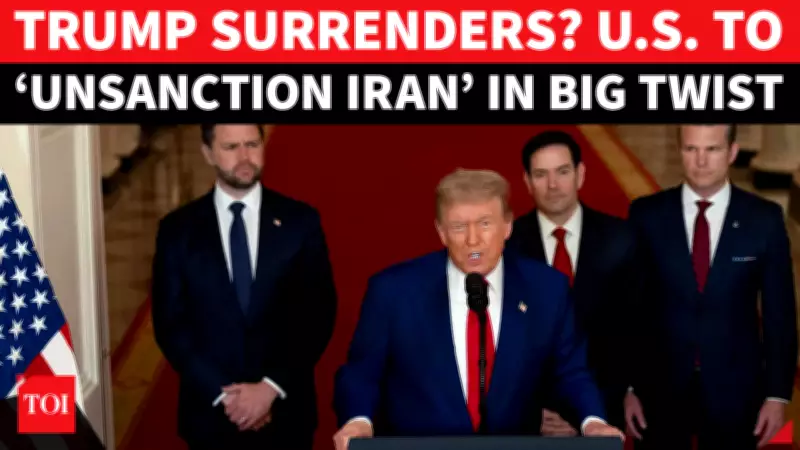
US Weighs Lifting Iran Oil Sanctions as Middle East Conflict Intensifies Global Energy Emergency
In a dramatic policy shift, the United States is actively considering easing sanctions on Iranian oil exports as global energy prices skyrocket amid escalating military conflicts in the Middle East. This potential move comes as the strategic Strait of Hormuz faces severe disruptions, tightening worldwide oil flows and threatening economic stability.
Strategic Calculations Behind Sanctions Relief
Washington officials are exploring this controversial option primarily to stabilize volatile energy markets. With fuel prices surging globally and impacting consumers from America to Asia, the Biden administration views sanctions relief as a potential tool to increase oil supply and curb inflation. However, analysts are sharply divided on the implications.
Some experts warn that easing sanctions could provide Tehran with significant financial benefits, potentially strengthening Iran's regional influence and military capabilities. Others argue this represents a strategic effort to build an international coalition and reopen critical shipping routes through the Persian Gulf.

Broader Conflict Context and Economic Fallout
The sanctions reconsideration occurs against a backdrop of rapidly expanding Middle East hostilities. What began as regional skirmishes has evolved into a full-blown global energy emergency with far-reaching consequences:
- Disrupted oil shipments through the Strait of Hormuz, through which approximately 20% of global oil passes
- Attacks on energy infrastructure across multiple Gulf nations
- Retaliatory strikes between Iran, Saudi Arabia, and their allies
- Direct threats to US military facilities and regional partners
These developments have created a perfect storm for energy markets, with Brent crude prices experiencing unprecedented volatility and governments worldwide scrambling to secure alternative supplies.
Political and Diplomatic Ramifications
The potential policy reversal carries significant political weight. Former President Donald Trump's administration had implemented maximum pressure sanctions on Iran, making any relaxation a contentious domestic issue. Meanwhile, Tehran has issued direct warnings to US allies in the region, signaling possible escalation if diplomatic efforts fail.
International observers note that the crisis is testing traditional alliances, with some NATO members expressing concern about missile threats while others prioritize energy security. The situation remains fluid, with daily developments potentially altering the strategic calculus in Washington and global capitals.
As tensions continue to deepen, the world watches whether sanctions relief will become a temporary market fix or a fundamental reorientation of US-Iran relations amid the most severe energy crisis in decades.






