Economist Jeffrey Sachs Issues Dire Warning Over Iran-Israel Conflict
Renowned economist Jeffrey Sachs has delivered a scathing critique of Israeli leadership while issuing a stark warning about the escalating conflict with Iran. In a brutal assessment, Sachs labeled the situation a "global disaster" where no country emerges victorious, with catastrophic consequences looming for Israel, Iran, Gulf nations, and the world economy.
Sachs' Savage Criticism of Netanyahu and US Policy
In his fiery commentary, Sachs didn't mince words when addressing Israeli Prime Minister Benjamin Netanyahu, delivering what many are calling a savage attack on his leadership during this crisis. The economist also turned his criticism toward United States foreign policy, condemning past interventions as destructive and ultimately unsuccessful ventures that have contributed to current tensions.
Sachs emphasized that the current conflict represents one of the most dangerous geopolitical moments since the end of World War II in 1945. He drew a chilling parallel to the Cuban Missile Crisis, suggesting the world may be mere days or weeks away from a major energy supply disruption that could send shockwaves through global markets.

Consequences for Middle East and Global Economy
The economist outlined severe repercussions for multiple nations involved in the conflict. According to Sachs, Israel faces potential devastation from the ongoing hostilities, while Iran and Gulf nations also confront serious consequences that could destabilize the entire region. Beyond the immediate combatants, Sachs warned of a sharp downturn in the global economy triggered by the conflict's escalation.
The energy sector faces particular vulnerability, with Sachs predicting supply shocks that could ripple through international markets. His assessment suggests that even nations not directly involved in the fighting will experience economic fallout from the confrontation between Israel and Iran.
Historical Context and Current Danger Level
Sachs placed the current crisis in historical context, noting that the world hasn't faced such a dangerous geopolitical situation since the height of the Cold War. His comparison to the Cuban Missile Crisis underscores the potential for rapid escalation and catastrophic outcomes if diplomatic solutions aren't pursued urgently.
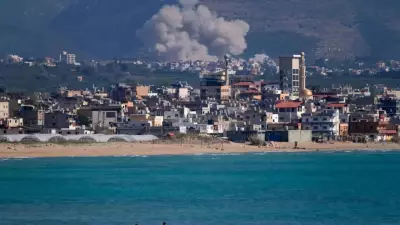
The economist's warning comes amid reports of military actions in the region, including missile strikes and aircraft engagements that have raised tensions to unprecedented levels. Sachs' analysis suggests that the window for peaceful resolution may be closing rapidly, with potentially irreversible consequences for global stability.
As the conflict continues to develop, Sachs' stark assessment serves as a sobering reminder of the high stakes involved and the urgent need for diplomatic intervention to prevent what he characterizes as a looming global disaster with no clear winners and countless potential victims across multiple continents.