

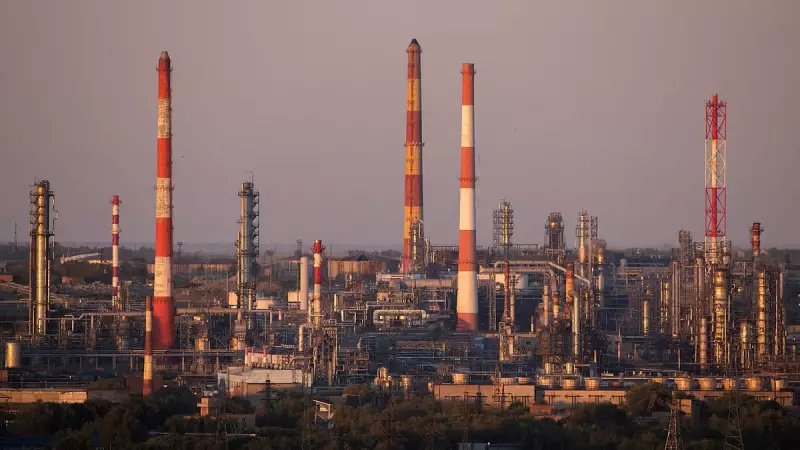
Russian Fuel Oil Exports to Asia Experience Significant Slowdown in Early 2026
In a notable development impacting global energy markets, Russia's exports of fuel oil to Asian nations have slowed considerably during the early months of 2026. This deceleration is primarily attributed to the ongoing international sanctions that continue to hamper trade routes and financial transactions.
Supply Tightening and Price Implications for Asian Markets
The reduction in Russian fuel oil shipments coincides with another critical factor: falling Venezuelan exports to China. This decline follows the recent capture of President Nicolas Maduro by the United States, which has disrupted Venezuela's oil trade dynamics. The combined effect of these two developments could lead to a tightening of Asia's supply of high-sulphur fuel oil.
High-sulphur fuel oil serves multiple essential functions in the energy sector. It is widely used as a refinery feedstock, helping to produce various petroleum products. Additionally, it functions as a crucial bunker fuel for the shipping industry, powering vessels across international waters.

Market Dynamics and Future Outlook
The potential supply constraints from both Russia and Venezuela may create a challenging environment for Asian refiners and shipping companies. As inventories dwindle and alternative sources become limited, market analysts anticipate that prices for high-sulphur fuel oil could experience upward pressure.
This situation highlights the interconnected nature of global energy markets, where geopolitical events in one region can swiftly impact supply chains thousands of miles away. The sanctions on Russia, combined with Venezuela's political turmoil, are creating a perfect storm for Asia's fuel oil procurement strategies.
Industry observers will be closely monitoring several key indicators in the coming months:
- The effectiveness of sanctions enforcement mechanisms against Russian oil exports
- Venezuela's ability to restore its oil export capabilities following recent political developments
- Asian countries' efforts to diversify their fuel oil supply sources
- Potential adjustments in refinery operations to accommodate different feedstock qualities
The early 2026 slowdown represents more than just a temporary market fluctuation—it signals potential long-term shifts in how Asia sources its energy inputs. As the situation evolves, market participants will need to adapt to these changing dynamics while navigating the complex web of international sanctions and geopolitical tensions.






