

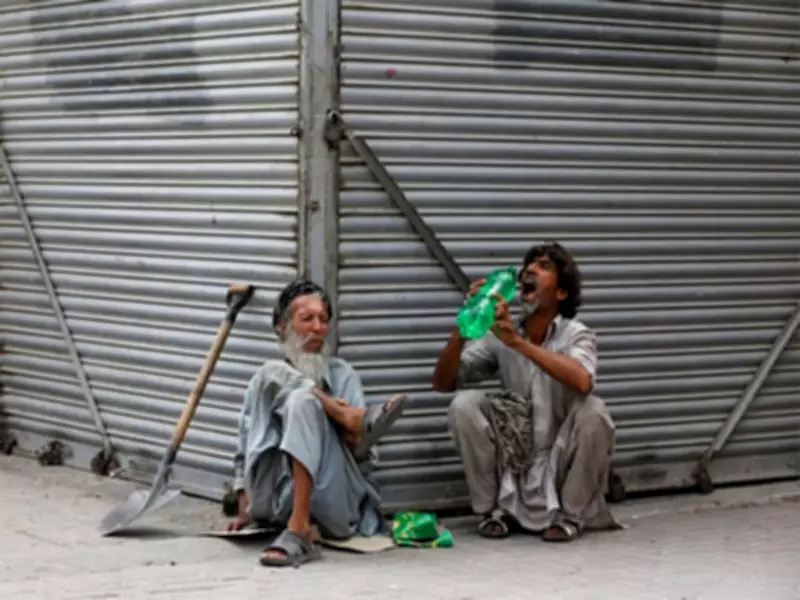
Pakistan's Economic Mismanagement Pushes Poverty and Inequality to Record Highs
Pakistan's economic landscape is facing a severe crisis, with mismanagement driving poverty and inequality to unprecedented levels. According to recent reports and expert analyses, the country's fiscal policies and governance failures have exacerbated social disparities, leading to a historic surge in economic hardship for millions of citizens.
Escalating Poverty Rates Amid Economic Turmoil
The economic mismanagement in Pakistan has resulted in a sharp increase in poverty rates. Factors such as inflation, unemployment, and inadequate social safety nets have left a significant portion of the population struggling to meet basic needs. Official data and independent studies indicate that poverty levels have reached record highs, with rural areas and marginalized communities being disproportionately affected. This trend is attributed to poor planning, corruption, and a lack of effective economic reforms.
Rising Inequality and Its Social Implications
Alongside poverty, inequality in Pakistan has also soared to alarming levels. The gap between the wealthy elite and the impoverished masses has widened dramatically, fueled by regressive taxation, unequal access to resources, and limited opportunities for upward mobility. This growing divide is not only an economic issue but also poses serious threats to social cohesion and political stability, as discontent among the populace increases.

Key Factors Contributing to the Crisis
- Fiscal Mismanagement: Inefficient budget allocations and high public debt have strained the economy.
- Inflationary Pressures: Rising prices of essential goods have eroded purchasing power for low-income households.
- Unemployment: Lack of job creation and economic growth has left many without stable income sources.
- Governance Failures: Corruption and bureaucratic inefficiencies have hindered effective policy implementation.
Expert Warnings and Calls for Reform
Economists and social analysts warn that without urgent interventions, the situation could worsen, leading to deeper social unrest and economic collapse. Recommendations include implementing comprehensive economic reforms, enhancing transparency, and investing in social welfare programs to alleviate poverty and reduce inequality. The international community has also expressed concern, urging Pakistan to address these challenges promptly to ensure sustainable development.
In summary, Pakistan's economic mismanagement has created a dire scenario where poverty and inequality have hit record highs, demanding immediate and decisive action from policymakers to prevent further deterioration and foster a more equitable society.






