

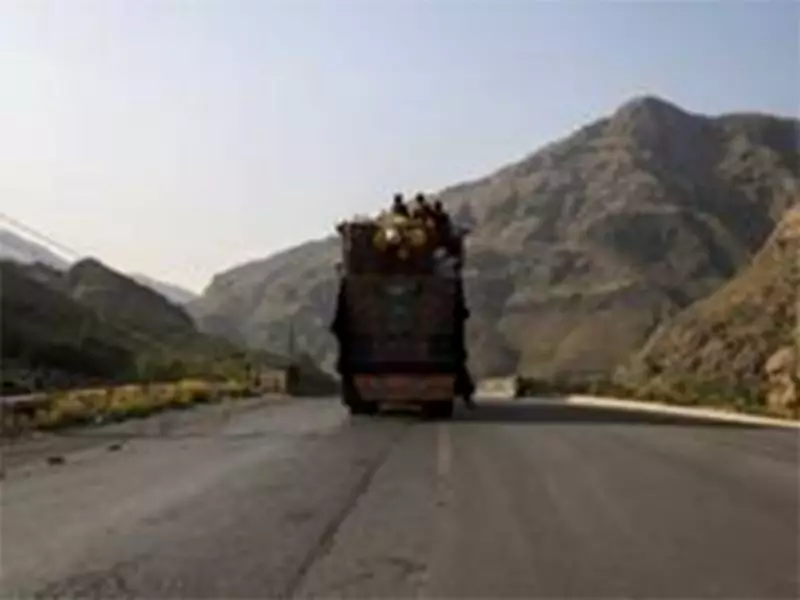
Pakistan's Critical CPEC Highway Faces Mounting Debt Crisis
Pakistan's flagship infrastructure project, the China-Pakistan Economic Corridor (CPEC) highway, is experiencing a severe financial crisis as its debt burden continues to escalate despite substantial increases in toll charges. This critical transportation artery, often described as the nation's economic lifeline, is now grappling with unsustainable financial pressures that threaten its long-term viability.
Escalating Debt Despite Revenue Measures
The highway authorities have implemented multiple toll rate hikes in recent years, aiming to generate additional revenue to service the massive loans taken for construction and maintenance. However, these measures have proven insufficient to stem the growing debt tide. Financial reports indicate that the highway's outstanding liabilities have reached alarming levels, creating a precarious situation for one of South Asia's most important transport corridors.
Experts point to several contributing factors to this financial dilemma:

- Higher-than-anticipated maintenance and operational costs
- Lower-than-projected traffic volumes on certain sections
- Currency depreciation affecting foreign-denominated loans
- Administrative inefficiencies in revenue collection systems
Broader Economic Implications
This debt crisis extends beyond mere infrastructure financing concerns. The CPEC highway serves as Pakistan's primary trade route with China and Central Asian nations, facilitating billions of dollars in commerce annually. Any disruption to its operations or maintenance could have cascading effects on regional trade patterns and economic stability.
Transportation analysts warn that the current financial model may require fundamental restructuring. "The gap between revenue generation and debt servicing is widening at an unsustainable pace," noted one infrastructure economist. "Without comprehensive financial reforms and possibly government intervention, this vital corridor could face operational challenges that would reverberate throughout Pakistan's economy."
Government Response and Future Prospects
Pakistani authorities have acknowledged the severity of the situation, with transportation officials indicating that additional measures beyond toll increases may be necessary. These could include:
- Restructuring existing loan agreements with creditors
- Implementing more efficient electronic toll collection systems
- Exploring public-private partnership models for maintenance
- Seeking concessional financing from international institutions
The situation highlights the complex challenges facing major infrastructure projects in developing economies, where ambitious development goals must be balanced against financial realities. As Pakistan grapples with broader economic pressures, the CPEC highway's debt crisis represents a microcosm of the difficult choices facing policymakers between maintaining critical infrastructure and managing national debt levels.






