Pakistan Announces Major Petrol Price Reduction Following Public Outcry
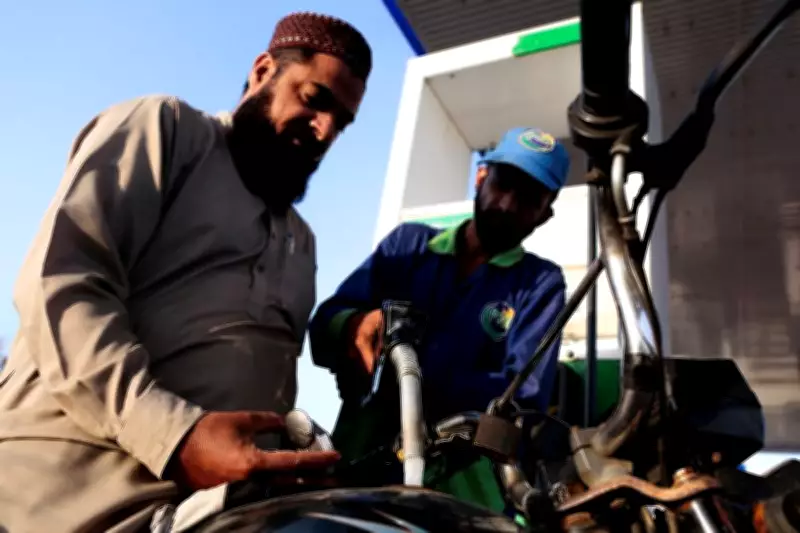
In a significant policy reversal, the Pakistani government has slashed the price of petrol by PKR 80 per litre, just one day after implementing a sharp increase that triggered widespread public backlash. This dramatic move comes as authorities attempt to quell growing unrest and address severe criticism from citizens and opposition groups over the initial hike.
Swift Reversal Amidst Mounting Pressure
The decision to reduce petrol prices was announced by the government's finance ministry, citing the need to provide relief to the public and stabilize the economic situation. The initial price hike, which had been justified as necessary to meet International Monetary Fund (IMF) conditions and reduce fiscal deficits, was met with immediate and fierce opposition across Pakistan.
Public protests erupted in multiple cities, with citizens expressing anger over the increased cost of living, particularly in an economy already grappling with high inflation and unemployment. Social media platforms were flooded with criticism, and opposition leaders called for immediate rollback of the fuel price adjustment.

Economic Implications and Government Response
This price reduction is expected to have several implications:
- Immediate relief for consumers, as lower petrol prices will reduce transportation costs and potentially ease inflationary pressures on goods and services.
- Increased fiscal burden on the government, which must now find alternative ways to meet budgetary targets and IMF requirements.
- Potential impact on Pakistan's negotiations with international lenders, as fuel subsidies could complicate efforts to secure financial assistance.
Government officials have stated that the decision reflects their responsiveness to public sentiment and commitment to social welfare. However, analysts warn that this could signal ongoing volatility in Pakistan's economic policies, as authorities balance external pressures with domestic political realities.
Broader Context of Pakistan's Fuel Pricing
Pakistan has historically struggled with fuel pricing mechanisms, often adjusting rates in response to global oil market fluctuations and domestic economic conditions. The recent episode highlights the delicate balance between implementing necessary economic reforms and maintaining public support in a country where fuel prices directly impact daily life for millions.
This development comes amid broader economic challenges in Pakistan, including currency depreciation, rising external debt, and persistent trade deficits. The government's ability to manage fuel subsidies while pursuing fiscal discipline will be closely watched by both domestic stakeholders and international partners.